
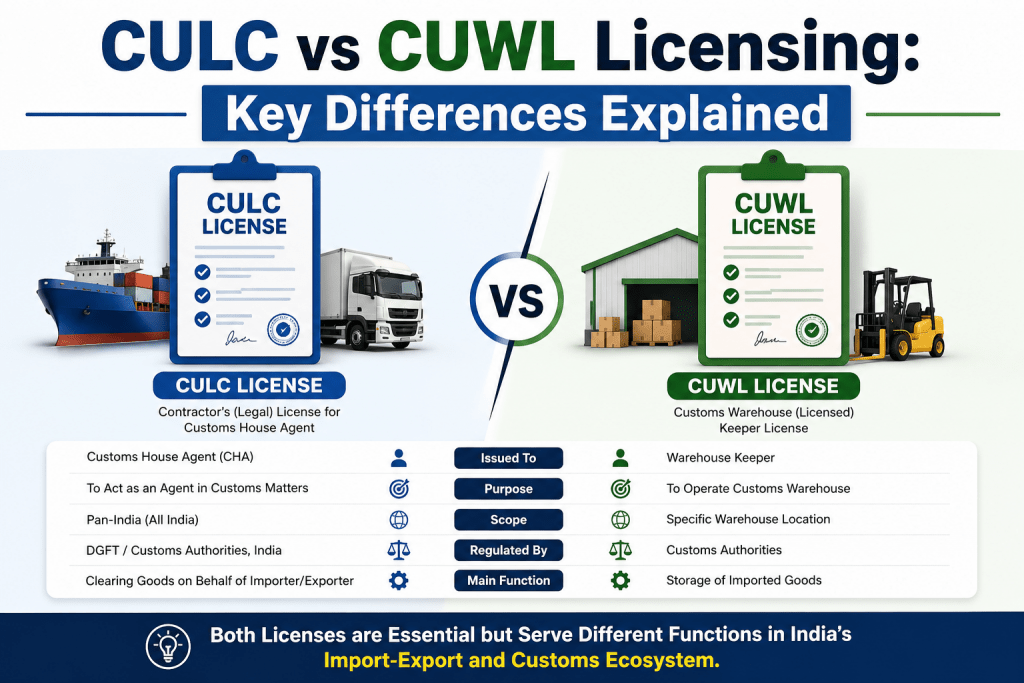
Licensing is often one of the most overlooked areas in enterprise communication systems, yet it plays a critical role in how organizations deploy, manage, and scale collaboration technologies. Many IT professionals focus heavily on configuration, troubleshooting, and infrastructure management while treating licensing as a secondary concern. However, without a proper understanding of licensing models, organizations can easily overspend, underutilize features, or create limitations that impact productivity and communication efficiency.
In Cisco collaboration environments, understanding the distinction between Cisco User Connect Licensing and Cisco Unified Workspace Licensing is extremely important. Both licensing models are designed to support unified communications solutions, but they approach licensing in very different ways. One focuses primarily on devices and individual users, while the other centers around the complete communication workspace experience.
Organizations selecting the wrong license model may encounter challenges such as restricted device support, limited collaboration tools, or unnecessary costs. On the other hand, choosing the right licensing structure can improve scalability, enhance communication capabilities, and simplify long-term administration.
Understanding the Purpose of Cisco Licensing
Cisco collaboration licensing exists to organize how communication services are delivered to users and devices. These services include voice calling, video conferencing, voicemail, messaging, mobile communication, remote connectivity, and enterprise collaboration tools. Licensing ensures that organizations can enable the features they require while maintaining compliance with Cisco deployment standards.
As enterprise communication systems continue evolving, organizations no longer rely solely on desk phones. Employees frequently use laptops, smartphones, tablets, softphones, and video conferencing endpoints throughout their daily workflows. Because of this shift, Cisco created multiple licensing structures to support different operational needs.
Some businesses require simple voice communication with limited functionality. Others need advanced collaboration environments that support video meetings, remote work, mobile access, and unified messaging across many devices. Cisco designed CUCL and CUWL to address these different requirements.
Introduction to CUCL Licensing
Cisco User Connect Licensing, commonly referred to as CUCL, is designed around individual devices and users. This licensing model gives organizations flexibility when selecting communication features based on operational needs and hardware requirements.
CUCL is separated into two major licensing categories. The first category is device-based licensing, while the second category is user-based licensing. Each category contains specific license levels that determine which devices and collaboration features are supported.
The device-based model is typically used in environments where employees only require basic telephony capabilities. User-based licensing, however, introduces more advanced collaboration functionality including video calling and mobile communication support.
This structure allows organizations to customize their communication environment according to department requirements, employee responsibilities, and budget considerations.
Device-Based Licensing in CUCL
Device-based licensing is intended for organizations that primarily depend on physical IP phones without requiring extensive collaboration tools. In this model, licenses are assigned directly to specific devices instead of users.
This approach works well in environments where communication needs are predictable and limited. Common examples include lobby phones, conference room devices, warehouse phones, break room handsets, manufacturing floor phones, and shared workstations.
Because the license is tied to the device itself, features remain associated with that phone regardless of who uses it. This simplifies deployment in shared environments while reducing licensing complexity.
The two primary device-based CUCL licenses are Essential and Basic.
CUCL Essential Licensing Overview
CUCL Essential is the most entry-level licensing option within the CUCL family. It supports only a limited range of Cisco devices and focuses entirely on basic voice communication functionality.
This license is commonly associated with entry-level phones such as the Cisco 3905 and Cisco 6901 series. These handsets are designed for minimal communication needs and typically lack advanced collaboration features.
Organizations frequently deploy these devices in areas where users only need occasional voice access rather than full-feature communication systems. Examples include reception areas, visitor stations, cafeterias, hallways, emergency communication locations, and temporary workspaces.
One of the defining characteristics of the Essential license is that it only supports a single device and does not include advanced collaboration applications. Features such as Cisco Jabber integration, mobile softphone capabilities, video communication, and multi-device synchronization are not included.
The simplicity of the Essential license makes it cost-effective for organizations with straightforward voice communication requirements. Instead of paying for advanced collaboration tools that may never be used, businesses can deploy affordable voice-only solutions.
Despite its limitations, the Essential license remains valuable in large enterprise environments where hundreds of basic communication endpoints may be required across multiple facilities.
Role of Basic Communication Devices
Basic communication devices still serve an important purpose in modern enterprise infrastructure. While advanced collaboration platforms receive significant attention, many operational environments continue depending on reliable voice communication.
Warehouses may require simple phones for logistics coordination. Healthcare facilities may deploy hallway phones for emergency communication. Manufacturing environments often need durable communication devices for supervisors and operational teams.
In these scenarios, advanced video conferencing features or mobile integration may not provide meaningful business value. Instead, organizations prioritize reliability, simplicity, and cost efficiency.
CUCL Essential licensing supports these operational goals by focusing specifically on fundamental voice communication services.
CUCL Basic Licensing Explained
CUCL Basic expands device support beyond entry-level handsets while still remaining within the device-based licensing category. This license introduces compatibility with more advanced Cisco IP phone models, particularly within the 7800 series.
Unlike the Essential license, Basic licensing supports devices designed for broader enterprise deployment. These phones typically include improved call quality, modern security capabilities, enhanced displays, and integrated networking features.
Organizations commonly deploy Basic licensed phones for office employees, administrative teams, support staff, and operational departments that require dependable voice communication without advanced collaboration tools.
The Cisco 7800 series phones supported under Basic licensing provide several improvements over entry-level devices. These improvements may include gigabit Ethernet support, higher-quality audio processing, energy-efficient hardware, and improved user interfaces.
Additionally, many of these devices support cloud-based deployment models, making them suitable for modern enterprise communication environments.
Advantages of the Basic License
The Basic license offers organizations an effective balance between affordability and functionality. Businesses can deploy modern enterprise-grade phones without paying for collaboration services that certain users may not require.
This licensing approach works particularly well for employees whose daily tasks primarily involve voice calls rather than video meetings or mobile collaboration.
Examples may include accounting staff, administrative personnel, customer service representatives, logistics coordinators, and operational support teams.
The Basic license also simplifies communication infrastructure management because organizations can standardize phone deployments across large departments while maintaining predictable licensing costs.
Another significant advantage is security enhancement support. Modern Cisco phone models include stronger encryption capabilities and improved network protection mechanisms, helping organizations maintain secure communication environments.
Limitations of Device-Based Licensing
Although device-based licensing provides affordability and simplicity, it also introduces several limitations. The biggest limitation is flexibility.
Because the license remains attached to the device rather than the individual user, employees cannot seamlessly transition communication services across multiple platforms. Users are generally limited to using the assigned desk phone without access to advanced mobile or desktop collaboration tools.
This becomes challenging in hybrid work environments where employees frequently move between office locations, remote workspaces, and mobile devices.
Additionally, device-based licensing lacks support for integrated collaboration applications such as Cisco Jabber. Without these tools, employees cannot easily continue conversations across laptops, smartphones, and tablets.
As workplace communication increasingly depends on mobility and remote connectivity, organizations often outgrow device-based licensing models.
Transition Toward User-Based Licensing
To address modern collaboration requirements, Cisco introduced user-based licensing options within the CUCL framework. Instead of assigning licenses solely to hardware endpoints, user-based licensing focuses on the communication experience of individual employees.
This shift reflects broader workplace transformation trends. Modern employees rarely depend on a single communication device. They may answer calls on desk phones, participate in meetings from laptops, respond to messages on smartphones, and join video conferences remotely.
User-based licensing enables organizations to support this flexible communication environment while centralizing collaboration services around the employee rather than the device.
The two primary user-based CUCL licenses are Enhanced and Enhanced Plus.
CUCL Enhanced Licensing
CUCL Enhanced licensing introduces a substantial increase in collaboration functionality compared to device-based licenses. This license supports the complete range of Cisco IP phone models, including advanced video-enabled endpoints.
Organizations adopting Enhanced licensing gain access to more sophisticated communication capabilities such as video calling, desktop collaboration, and mobile integration.
One of the most important features included with Enhanced licensing is Cisco Jabber support. Jabber acts as a unified communication application that enables voice calls, video conferencing, instant messaging, and presence functionality across multiple platforms.
Employees can use Jabber on Windows systems, Mac computers, smartphones, and tablets. This significantly improves communication flexibility and allows users to remain connected regardless of location.
The Enhanced license supports one primary device per user while extending collaboration services across supported software applications.
Importance of Cisco Jabber Integration
Cisco Jabber plays a major role in modern enterprise collaboration strategies. Rather than limiting communication to physical desk phones, Jabber creates a unified communication environment that follows the user across devices.
Employees can answer office calls from laptops during remote work sessions, participate in video meetings from mobile devices, or transfer conversations between devices without disrupting communication.
Presence functionality also improves operational efficiency by allowing users to see colleague availability before initiating communication.
For organizations supporting hybrid work models, Jabber integration provides substantial operational value. Employees can remain fully connected whether working from headquarters, branch offices, home environments, or while traveling.
This flexibility improves collaboration while reducing dependency on physical office infrastructure.
Video Communication Capabilities
Enhanced licensing also introduces support for advanced video communication endpoints. Video conferencing has become essential in enterprise collaboration environments because it improves communication quality, reduces travel requirements, and supports distributed workforces.
Cisco video-enabled phones and collaboration devices allow employees to participate in face-to-face communication directly from their workstations.
Video communication enhances team interaction, improves meeting engagement, and supports more effective remote collaboration. Departments such as executive management, project coordination, sales, consulting, and technical support frequently rely on video conferencing for daily operations.
Because Enhanced licensing supports these advanced devices, organizations can expand communication capabilities without requiring separate licensing structures for video collaboration.
Single Device Restriction in Enhanced Licensing
Despite its expanded collaboration functionality, CUCL Enhanced licensing still includes a device limitation. The license primarily supports one device per user.
While users can access collaboration applications across multiple software platforms, the primary hardware association remains limited.
For some organizations, this restriction may not present a significant issue. However, employees who frequently use multiple physical devices may require additional flexibility.
For example, executives may maintain office phones, home office phones, and mobile collaboration devices simultaneously. Similarly, healthcare professionals, managers, and field supervisors may operate across multiple communication endpoints throughout the workday.
These scenarios led Cisco to introduce Enhanced Plus licensing, which expands device support further while retaining advanced collaboration functionality.
CUCL Enhanced Plus Licensing
CUCL Enhanced Plus builds directly upon the capabilities included within the Enhanced license while expanding device flexibility for users who depend on multiple communication endpoints throughout the workday. The core collaboration features remain the same, including support for Cisco Jabber, video communication, mobile access, and advanced Cisco IP phones, but Enhanced Plus introduces additional device capacity that better aligns with modern enterprise communication habits.
In many organizations, employees no longer operate from a single desk or depend entirely on one communication device. Remote work, hybrid office environments, flexible seating arrangements, and mobile productivity expectations have significantly changed how enterprise communication systems are designed. Enhanced Plus licensing addresses these operational realities by allowing users to connect more than one device under the same licensing structure.
This creates a more seamless communication experience for professionals who regularly transition between office workstations, remote offices, mobile devices, and collaboration endpoints.
Multi-Device Communication Environments
Modern enterprise communication extends far beyond traditional desk phones. Employees frequently begin their day on a laptop, continue conversations from a mobile device during travel, and later join meetings from a conference room endpoint. Communication systems must therefore accommodate continuous transitions between multiple devices without disrupting productivity.
Enhanced Plus licensing supports this type of workflow by allowing users to maintain communication continuity across several endpoints. Instead of assigning separate licenses for each individual device, organizations can centralize communication resources around the employee experience.
This approach improves operational flexibility while simplifying administration for IT teams managing large collaboration infrastructures.
For example, a department manager may use a Cisco desk phone in the office, Cisco Jabber on a laptop while working remotely, and a smartphone application while traveling. Under a restrictive licensing model, supporting all these communication channels could require multiple independent licenses. Enhanced Plus reduces this complexity.
Benefits for Mobile Workforces
Organizations with highly mobile employees benefit significantly from Enhanced Plus licensing. Field engineers, consultants, executives, healthcare staff, sales professionals, and regional managers often move between locations throughout the day.
These employees require uninterrupted access to voice communication, video conferencing, messaging, voicemail, and collaboration services regardless of device or location.
Enhanced Plus supports this operational requirement by ensuring users remain connected across multiple communication platforms. Calls can be answered on different devices, collaboration applications remain synchronized, and communication tools continue functioning whether users are on-site or remote.
This flexibility improves responsiveness while helping organizations maintain professional communication standards across distributed teams.
Collaboration Continuity Across Devices
One of the strongest advantages of user-based licensing is communication continuity. Employees no longer think in terms of isolated devices. Instead, they expect communication systems to follow them throughout their workday.
Enhanced Plus licensing supports this expectation by creating a unified communication identity for each user. Employees can access voicemail, call history, contact directories, messaging systems, and collaboration features from multiple endpoints without maintaining separate communication profiles.
This unified experience improves usability while reducing confusion for end users.
Instead of learning multiple disconnected communication systems, employees interact with one integrated collaboration environment that remains consistent across devices.
Advanced Device Compatibility
Enhanced Plus licensing supports Cisco’s broader portfolio of collaboration devices, including advanced desk phones, video endpoints, and integrated communication hardware.
Higher-end Cisco phones often include capabilities such as high-definition video support, touch displays, Bluetooth integration, wireless connectivity, advanced call management, and enhanced conferencing functionality.
Organizations deploying executive offices, conference spaces, customer interaction centers, or collaborative work environments frequently depend on these advanced devices to improve communication quality and productivity.
Enhanced Plus ensures these devices can operate within a flexible user-centric licensing structure without creating additional licensing fragmentation.
Cost Considerations for Enhanced Plus
Although Enhanced Plus offers greater flexibility, organizations must evaluate whether the expanded device support justifies the increased licensing cost.
Not every employee requires multiple communication endpoints. Some workers primarily operate from a single desk phone and may never use additional collaboration devices. In these cases, Enhanced licensing may provide sufficient functionality without additional expense.
However, for employees who regularly transition between devices or rely heavily on mobile collaboration tools, Enhanced Plus often delivers stronger long-term value.
Organizations should analyze communication behavior patterns before selecting license models. Departments with extensive travel requirements, remote work activity, or executive collaboration demands typically gain the greatest benefit from Enhanced Plus deployments.
Scalability of User-Based Licensing
User-based licensing models generally scale more effectively in dynamic enterprise environments compared to purely device-based structures.
As organizations expand, add remote employees, or introduce hybrid work arrangements, user-based licensing simplifies communication deployment because services remain associated with employees rather than hardware endpoints.
New devices can often be integrated more easily without requiring entirely separate communication architectures. This scalability becomes especially valuable during organizational growth, mergers, office expansions, or workforce restructuring.
Instead of redesigning licensing assignments for every device addition, organizations can manage collaboration services at the user level.
This approach reduces administrative overhead while improving deployment efficiency.
Introduction to CUWL Licensing
While CUCL licensing focuses heavily on devices and user communication features, Cisco Unified Workspace Licensing takes a broader approach centered around the complete collaboration workspace.
The term workspace is extremely important when understanding CUWL licensing. Rather than separating communication services into device-focused categories, CUWL bundles multiple collaboration technologies together under a unified licensing framework.
This creates a more comprehensive collaboration solution designed for organizations that rely heavily on integrated communication environments.
CUWL licensing supports multiple devices, advanced collaboration tools, unified messaging, conferencing capabilities, remote connectivity, and enterprise-wide communication services within a single licensing structure.
For businesses prioritizing collaboration, remote accessibility, and unified communication experiences, CUWL often represents a more strategic solution.
Workspace-Centric Communication Models
The workspace concept reflects the reality that employees now work across many locations and devices throughout the day.
A modern workspace may include office phones, remote laptops, conference systems, mobile devices, messaging platforms, voicemail systems, and cloud collaboration applications simultaneously.
CUWL licensing recognizes this complexity and attempts to simplify communication management by bundling many services together.
Instead of purchasing separate add-ons for every collaboration requirement, organizations can deploy broader communication capabilities through consolidated licensing models.
This reduces fragmentation while improving feature accessibility for end users.
Primary Types of CUWL Licensing
CUWL licensing generally includes two primary categories:
- UWL Standard
- UWL Meetings
Both licensing models expand collaboration capabilities significantly beyond traditional voice communication environments.
These licenses are designed for organizations seeking integrated collaboration ecosystems rather than isolated telephony systems.
Each license includes a distinct set of collaboration services intended for different operational requirements.
Understanding UWL Standard
UWL Standard introduces several advanced collaboration technologies that extend communication capabilities beyond basic calling functions.
One major component included with UWL Standard is Cisco Expressway functionality. Expressway acts as a secure communication bridge that allows voice and video traffic to travel safely between internal enterprise networks and external environments.
This capability is extremely important for organizations supporting remote workers, mobile employees, business partners, or distributed office locations.
Without secure communication traversal technologies, external communication can become difficult, insecure, or operationally unreliable.
Expressway enables employees to maintain secure collaboration access even when operating outside the corporate network.
Importance of Secure Remote Connectivity
As remote work environments continue expanding, secure external communication has become essential for enterprise operations.
Employees working from home, hotels, customer locations, or temporary offices still require access to corporate communication services. However, exposing internal communication systems directly to the internet creates significant security risks.
Expressway addresses this challenge by creating secure communication pathways between internal collaboration systems and external devices.
This improves security while preserving communication quality and accessibility.
Organizations with distributed workforces benefit greatly from this functionality because employees can securely participate in meetings, place calls, and access collaboration tools from nearly any location.
Unified Messaging Integration
Another major feature included with UWL Standard is Cisco Unity Connection. Unity Connection serves as Cisco’s unified messaging and voicemail platform.
Traditional voicemail systems were once limited to desk phones and isolated voice storage. Modern unified messaging platforms, however, integrate voicemail across multiple communication environments.
Employees can access voicemail from phones, desktop applications, email systems, or mobile devices. Messages can often be managed more efficiently because users are not restricted to listening through physical handsets.
Unity Connection also supports additional features such as voicemail transcription, advanced greetings, message routing, and integrated messaging workflows.
These capabilities improve communication responsiveness while helping employees manage messages more efficiently.
Value of Unified Messaging Systems
Unified messaging systems have become essential in enterprise communication because they simplify how employees interact with voice communications.
Rather than treating voicemail as a separate communication channel, unified messaging integrates voice communication into broader collaboration workflows.
Employees can review messages more quickly, prioritize communication tasks, and respond more efficiently.
For organizations with high communication volume, unified messaging improves operational productivity while reducing missed communications.
Departments such as customer support, sales, executive administration, healthcare coordination, and project management frequently depend on these capabilities.
Adding Collaboration Features to CUCL
One interesting aspect of Cisco licensing is that several collaboration services included in CUWL can also be added onto CUCL environments separately.
For example, Unity Connection can be added to CUCL licenses for additional cost. Similarly, certain secure remote communication capabilities can also be integrated into CUCL user-based deployments.
This provides organizations with deployment flexibility.
Businesses that primarily need basic communication services but occasionally require advanced collaboration features can selectively add functionality instead of migrating entirely to CUWL licensing.
However, as collaboration requirements grow, managing numerous add-ons may become more complicated than adopting a fully integrated workspace license.
Differences Between Add-On Models and Integrated Licensing
Add-on licensing models offer customization but can increase administrative complexity over time.
IT teams may need to track separate licenses for voicemail systems, conferencing platforms, remote access services, mobile collaboration applications, and device support individually.
This fragmentation can create challenges during upgrades, audits, renewals, and troubleshooting activities.
Integrated licensing models such as CUWL reduce this complexity by grouping multiple services together under broader licensing structures.
This approach often simplifies procurement, deployment planning, and long-term communication management.
Organizations must therefore evaluate whether modular licensing flexibility or integrated collaboration simplicity better fits their operational strategy.
Enterprise Collaboration Evolution
The growing popularity of integrated licensing models reflects broader changes in workplace collaboration.
Communication systems are no longer isolated voice infrastructures. They now support video meetings, instant messaging, mobile productivity, remote teamwork, cloud connectivity, and unified collaboration experiences.
As organizations increasingly depend on digital collaboration, licensing models must evolve to support these operational demands efficiently.
CUWL represents Cisco’s effort to address this transition by focusing on the broader communication workspace rather than isolated devices or standalone telephony functions.
UWL Meetings Licensing
UWL Meetings represents one of the most collaboration-focused licensing models within Cisco’s unified communication ecosystem. While other licensing structures emphasize voice communication, device support, or basic collaboration services, UWL Meetings is specifically designed for organizations that depend heavily on conferencing, enterprise collaboration, and large-scale communication environments.
Modern businesses increasingly rely on virtual meetings to coordinate teams, communicate with clients, train employees, and manage distributed operations. As organizations expand across multiple locations and support remote workforces, meeting platforms become central to daily operations rather than optional collaboration tools.
UWL Meetings addresses these operational needs by bundling advanced conferencing capabilities directly into the licensing structure. Instead of treating collaboration services as optional add-ons, this licensing model integrates them as core components of the communication environment.
For enterprises seeking to standardize virtual collaboration across departments, UWL Meetings provides a comprehensive solution that supports voice communication, video conferencing, messaging, and enterprise-scale meetings within a unified platform.
Integrated Collaboration Capabilities
One of the defining characteristics of UWL Meetings is the inclusion of integrated collaboration tools that support both internal and external communication. Organizations no longer operate exclusively within physical office spaces, and employees frequently collaborate with remote coworkers, customers, partners, and vendors across multiple regions.
Integrated collaboration environments simplify communication workflows because users can access multiple communication tools from a unified ecosystem instead of switching between disconnected platforms.
This integration improves operational efficiency while reducing communication fragmentation across departments.
Employees can schedule meetings, join video conferences, exchange messages, access voicemail, and collaborate remotely through a centralized communication structure.
This unified experience reduces complexity for both users and administrators.
WebEx Integration in UWL Meetings
One of the most important features included with UWL Meetings is Cisco WebEx integration. WebEx serves as Cisco’s enterprise conferencing and collaboration platform, supporting video meetings, screen sharing, messaging, webinars, and team collaboration.
Unlike licensing models that require separate conferencing subscriptions, UWL Meetings includes WebEx functionality directly within the workspace license. This creates a more streamlined deployment experience for organizations seeking enterprise-wide conferencing capabilities.
WebEx became increasingly valuable as organizations transitioned toward hybrid and remote work environments. Video collaboration platforms quickly evolved into essential business tools supporting daily meetings, training sessions, customer presentations, and organizational communication.
Because WebEx is integrated into UWL Meetings, organizations can deploy large-scale conferencing solutions without building separate communication infrastructures.
Enterprise Benefits of WebEx
WebEx provides several operational advantages that extend beyond basic video conferencing.
The platform supports high-quality audio and video communication, screen sharing, collaborative presentations, recording functionality, meeting scheduling, and integration with enterprise productivity tools.
Organizations can conduct departmental meetings, executive presentations, employee training sessions, customer consultations, and technical workshops within a centralized collaboration environment.
WebEx also improves communication accessibility by allowing participants to join meetings from multiple device types including desktops, laptops, smartphones, tablets, and conference room systems.
This flexibility supports modern work environments where employees frequently move between office locations and remote workspaces.
Large-Scale Meeting Support
One of the major differentiators of UWL Meetings is support for Personal Multi-Party Plus functionality, commonly referred to as PMP.
PMP enables users to host large-scale meetings involving significant numbers of participants. This functionality is especially valuable for organizations conducting enterprise-wide announcements, training events, leadership briefings, departmental town halls, or large collaborative sessions.
Traditional communication licenses may support basic conferencing but often impose limitations on participant capacity or advanced meeting controls.
UWL Meetings expands these capabilities substantially, allowing organizations to support more sophisticated meeting environments without requiring separate event conferencing platforms.
For businesses with large distributed workforces, PMP functionality improves communication scalability while simplifying enterprise collaboration planning.
Importance of Large Meeting Infrastructure
As organizations grow, communication requirements become increasingly complex. Small team meetings may only involve a handful of participants, but executive briefings, training sessions, and company-wide updates often require support for hundreds or even thousands of attendees.
Without appropriate meeting infrastructure, organizations may encounter bandwidth limitations, participant restrictions, poor meeting quality, or administrative complexity.
PMP functionality helps address these challenges by providing enterprise-grade conferencing support designed for high-capacity collaboration environments.
Departments such as human resources, executive leadership, education services, technical training, and corporate communications frequently rely on large meeting capabilities for operational effectiveness.
Security Considerations for Enterprise Meetings
As virtual meetings become more common, meeting security becomes increasingly important. Unauthorized meeting access, data exposure, and communication disruptions can create operational and reputational risks for organizations.
Cisco collaboration environments include several security features designed to protect enterprise meetings and communication sessions.
Organizations using UWL Meetings should implement meeting authentication, password protection, participant controls, and secure access policies to minimize unauthorized access risks.
Large meetings are particularly vulnerable because public meeting links can sometimes be distributed beyond intended audiences.
IT administrators therefore play a critical role in securing collaboration environments through proper configuration and policy management.
Meeting Management Features
Enterprise meeting platforms must support more than simple video communication. Organizations often require advanced meeting management capabilities including participant moderation, scheduling integration, breakout rooms, recording management, analytics, and collaboration controls.
WebEx within UWL Meetings provides many of these advanced management capabilities, helping organizations coordinate complex collaboration activities more effectively.
Meeting hosts can control participant permissions, manage presentations, monitor engagement, and coordinate collaborative discussions from centralized management interfaces.
These features improve communication organization while reducing disruptions during important meetings.
Remote Workforce Enablement
Remote work environments have transformed how organizations approach communication infrastructure. Employees increasingly expect to remain fully productive regardless of physical location.
UWL Meetings supports this operational requirement by providing collaboration tools that function consistently across distributed environments.
Employees can join meetings from home offices, customer sites, temporary workspaces, airports, or branch offices while maintaining access to enterprise communication resources.
This flexibility improves workforce mobility while supporting business continuity during operational disruptions or location-based challenges.
Organizations adopting hybrid work strategies often prioritize collaboration licensing models capable of supporting remote communication at scale.
Communication Consistency Across Locations
One challenge many organizations face involves maintaining consistent communication experiences across multiple offices and remote environments.
Without centralized collaboration infrastructure, users may encounter inconsistent meeting quality, incompatible communication tools, fragmented messaging systems, or deployment inefficiencies.
UWL Meetings helps address these challenges by standardizing collaboration services across the organization.
Employees interact with the same meeting platform, communication interfaces, and collaboration tools regardless of location or device type.
This consistency improves user adoption while simplifying IT support operations.
Administrative Simplicity in CUWL
One of the biggest operational advantages of CUWL licensing involves centralized administration.
Instead of managing numerous separate communication licenses for voicemail, conferencing, mobile collaboration, remote access, and video services, organizations can manage broader collaboration environments through consolidated licensing structures.
This simplifies procurement, deployment tracking, license auditing, and renewal management.
IT teams benefit because fewer isolated licensing systems require oversight. Finance departments also gain improved visibility into communication infrastructure costs.
For large enterprises, centralized licensing management can significantly reduce administrative overhead.
Comparing CUCL and CUWL Philosophies
Although both licensing models support Cisco collaboration environments, they reflect very different deployment philosophies.
CUCL licensing focuses on flexibility through modular communication services. Organizations can choose device-based or user-based licensing depending on operational requirements. Additional features can then be added selectively as needed.
This approach works well for organizations seeking granular control over communication spending and deployment customization.
CUWL licensing, however, focuses on integrated collaboration ecosystems. Instead of separating communication services into isolated components, CUWL bundles advanced collaboration capabilities into broader workspace-oriented licenses.
This approach prioritizes communication consistency, collaboration scalability, and administrative simplicity.
Organizations Best Suited for CUCL
CUCL licensing often works best for organizations with predictable communication requirements and controlled collaboration environments.
Businesses primarily dependent on desk phones, limited conferencing, or basic voice communication may not require extensive workspace licensing functionality.
Smaller organizations, operational facilities, manufacturing environments, healthcare stations, retail deployments, and administrative offices often benefit from CUCL because it allows more targeted communication deployment.
Organizations can select lower-cost device-based licenses for users requiring minimal functionality while reserving advanced user-based licenses for employees needing collaboration tools.
This targeted deployment strategy can improve cost efficiency.
Organizations Best Suited for CUWL
CUWL licensing is typically more appropriate for organizations prioritizing collaboration, remote work enablement, and integrated communication ecosystems.
Large enterprises, distributed organizations, consulting firms, technology companies, educational institutions, financial organizations, and hybrid workforce environments often benefit most from workspace-oriented licensing.
These organizations typically depend heavily on video conferencing, messaging platforms, remote collaboration, and multi-device communication environments.
Because CUWL bundles these services together, deployment becomes more streamlined and scalable.
Organizations seeking standardized collaboration experiences across large user populations frequently choose CUWL for operational simplicity.
Licensing Scalability Considerations
Scalability represents a major factor when selecting communication licensing models.
As organizations grow, communication requirements often evolve rapidly. Businesses may introduce remote work policies, expand collaboration tools, open new offices, or deploy additional communication devices.
Licensing structures that initially appear cost-effective may become difficult to manage as communication environments grow more complex.
CUCL can scale effectively for organizations maintaining relatively controlled communication requirements. However, environments requiring significant collaboration expansion may eventually encounter administrative complexity from numerous add-on services.
CUWL often provides stronger scalability for collaboration-heavy organizations because broader communication capabilities are already integrated into the licensing structure.
Budget Planning and Licensing Strategy
Budget considerations play a major role in licensing decisions. Communication infrastructure represents a substantial investment for many organizations, particularly large enterprises with thousands of users.
CUCL licensing can reduce initial deployment costs because organizations only purchase the specific communication features required for each user or device category.
This modular approach allows businesses to control expenses more precisely during early deployment phases.
CUWL licensing generally involves higher upfront licensing costs but may reduce long-term operational complexity and collaboration expansion expenses.
Organizations must therefore evaluate both short-term budget constraints and long-term collaboration goals when selecting licensing strategies.
Feature Utilization Analysis
One of the most important steps in communication licensing planning involves understanding how employees actually use collaboration tools.
Some users primarily make voice calls and rarely participate in video meetings. Others depend heavily on conferencing platforms, messaging systems, remote collaboration, and mobile communication.
Deploying advanced workspace licenses for users who only require basic telephony may create unnecessary costs. Conversely, limiting collaboration-focused employees to minimal communication licenses can reduce productivity and create operational bottlenecks.
Organizations should therefore analyze user communication patterns carefully before implementing licensing strategies.
Proper feature utilization analysis helps align licensing investments with actual operational requirements.
Communication Infrastructure Planning
Licensing decisions should never occur independently from broader communication infrastructure planning.
Organizations must consider device deployment strategies, remote access requirements, conferencing needs, network capacity, collaboration goals, security policies, and workforce mobility expectations when selecting communication licenses.
A well-designed licensing strategy supports both current operational requirements and future collaboration expansion.
IT teams should also consider long-term technology trends such as cloud collaboration, hybrid work environments, mobile workforce growth, and integrated communication ecosystems when evaluating licensing models.
Effective communication planning ensures organizations can adapt to changing business requirements without major infrastructure redesigns.
Managing Cisco Licensing Effectively
Understanding licensing models is only one part of building a successful collaboration environment. Organizations must also manage licenses properly to ensure communication systems remain operational, compliant, and optimized for business needs. Even the most advanced collaboration infrastructure can become problematic if licenses are misconfigured, expired, or assigned incorrectly.
Cisco collaboration platforms include administrative tools that allow IT teams to monitor license usage, review active deployments, and troubleshoot licensing issues. Effective license management helps organizations maintain communication continuity while avoiding unnecessary operational disruptions.
In large enterprise environments, hundreds or even thousands of devices and users may rely on collaboration services daily. Without centralized monitoring and proper administration, tracking license allocation can quickly become difficult.
Organizations therefore need clear processes for license deployment, renewal management, auditing, and capacity planning.
Accessing Cisco Unified Communications Management
Cisco Unified Communications Manager serves as the central administrative platform for many Cisco collaboration deployments. Through this interface, administrators can configure devices, assign users, manage communication services, and monitor licensing status.
To review licensing information, administrators typically navigate through the management interface to the device and licensing sections. These areas provide visibility into active phones, assigned licenses, collaboration services, and operational status information.
The licensing dashboard allows administrators to determine which devices are consuming specific licenses and whether any communication services are approaching expiration or compliance limitations.
This visibility is critical because licensing problems can directly impact communication availability.
For example, expired licenses may prevent users from accessing collaboration features, registering phones, or using advanced communication applications.
Monitoring License Consumption
License monitoring is an essential operational responsibility for IT teams managing Cisco collaboration environments.
As organizations grow, users frequently change departments, receive upgraded devices, transition into remote work roles, or require additional collaboration services. Without ongoing monitoring, license allocation can become inefficient.
Some departments may consume more licenses than expected, while unused licenses remain assigned to inactive devices or former employees.
Regular license audits help organizations identify inefficiencies and optimize communication spending.
Monitoring also helps IT teams anticipate future licensing needs before capacity shortages occur. This is especially important for organizations experiencing rapid growth or collaboration expansion.
Troubleshooting Licensing Problems
Licensing issues are among the most common causes of communication service disruptions in enterprise collaboration environments.
Users may experience registration failures, missing collaboration features, voicemail access problems, video conferencing limitations, or mobile application connectivity issues when licenses are incorrectly assigned.
Troubleshooting these problems often begins with verifying license status within the Cisco administration platform.
Administrators typically review whether the correct license type has been assigned, whether the license remains active, and whether device compatibility requirements are being met.
For example, an employee attempting to use advanced video communication features with a device-based license may encounter functionality restrictions because those features require a user-based license.
Similarly, mobile collaboration applications may fail if the assigned license does not include remote communication support.
Understanding licensing structures therefore becomes essential not only for deployment planning but also for operational troubleshooting.
Importance of Accurate License Assignment
Assigning the correct license to each user or device is critical for maintaining communication efficiency.
Organizations sometimes attempt to reduce costs by assigning lower-tier licenses broadly across the environment. While this may reduce short-term expenses, it can also create operational limitations that negatively affect employee productivity.
For example, employees requiring video conferencing, mobile communication, or multi-device access may become restricted by basic device-only licensing.
On the other hand, assigning expensive collaboration licenses to users who only require simple desk phone functionality can unnecessarily increase communication infrastructure costs.
Successful licensing strategies depend on balancing functionality requirements with operational efficiency.
IT departments should regularly evaluate how employees use communication systems and adjust license assignments accordingly.
Hybrid Work and Licensing Evolution
One of the biggest factors influencing collaboration licensing today is the continued expansion of hybrid work environments.
Employees increasingly divide their time between corporate offices, home workspaces, customer locations, and remote environments. Communication systems must therefore support flexibility, mobility, and consistent collaboration experiences across multiple locations.
Traditional licensing models built entirely around physical desk phones are becoming less practical in highly mobile organizations.
User-centric and workspace-oriented licensing structures now play a much larger role because they support communication continuity across devices and environments.
Organizations planning long-term communication infrastructure strategies should prioritize licensing models capable of supporting workforce flexibility.
This is one reason why many enterprises increasingly favor user-based licensing and workspace collaboration models over purely device-focused deployments.
Balancing Cost and Collaboration
Cost management remains one of the most challenging aspects of communication licensing decisions.
Advanced collaboration environments provide tremendous operational value, but they also increase licensing expenses. Organizations must therefore determine which communication features genuinely improve productivity and which services may be unnecessary for certain user groups.
Not every employee requires enterprise-scale conferencing capabilities or advanced multi-device collaboration tools.
Businesses often achieve better cost efficiency by segmenting users according to communication requirements.
For example:
- Front desk phones may use Essential licenses
- Office staff may use Basic licenses
- Remote professionals may use Enhanced licenses
- Executives and collaboration-heavy departments may use Enhanced Plus or CUWL licenses
This layered approach allows organizations to align communication investments with actual operational needs.
Proper planning helps prevent overspending while ensuring employees still receive the collaboration tools necessary for productivity.
Long-Term Collaboration Strategy
Licensing decisions should support long-term business goals rather than only immediate operational needs.
Organizations adopting new collaboration technologies must consider future scalability, workforce growth, remote work expansion, and evolving communication expectations.
A licensing model that works well for a small office today may become restrictive as collaboration requirements increase.
Similarly, organizations implementing digital transformation initiatives may eventually require more integrated communication environments supporting conferencing, messaging, mobile collaboration, and cloud-based workflows.
Choosing scalable licensing structures early can reduce future migration complexity and infrastructure redesign costs.
Businesses should therefore evaluate licensing not simply as a procurement task, but as a strategic component of enterprise communication planning.
Security and Compliance Considerations
Enterprise communication systems frequently handle sensitive business discussions, customer information, internal planning, and operational coordination.
Licensing models influence which security features and collaboration protections are available within the communication environment.
Advanced collaboration licenses often include stronger remote connectivity controls, secure conferencing capabilities, and integrated communication protections that improve organizational security posture.
IT administrators must ensure collaboration platforms remain compliant with internal security standards and industry regulations.
This includes securing remote communication access, protecting meeting environments, controlling user permissions, and maintaining updated licensing compliance.
Organizations failing to manage communication security properly may expose themselves to operational risks, unauthorized access, or compliance violations.
The Growing Importance of Unified Collaboration
Enterprise communication has evolved far beyond simple voice calling. Modern collaboration environments now integrate messaging, video conferencing, voicemail, remote connectivity, mobile access, file sharing, and virtual teamwork into unified ecosystems.
Licensing models continue evolving to support these increasingly connected communication experiences.
Organizations now expect employees to collaborate seamlessly regardless of device, location, or communication channel.
This shift explains why workspace-oriented licensing models have gained popularity across large enterprises.
Unified collaboration environments improve operational efficiency by reducing communication fragmentation and simplifying how employees interact with enterprise systems.
As remote work and distributed operations continue growing, integrated communication ecosystems will likely become even more important for organizational success.
Conclusion
Understanding the differences between CUCL and CUWL licensing is essential for building efficient Cisco collaboration environments. Both licensing models support enterprise communication, but they are designed for different operational priorities and business requirements.
CUCL licensing focuses on flexibility through device-based and user-based options. It allows organizations to deploy communication services according to specific user needs, making it ideal for businesses seeking targeted control over collaboration costs and feature distribution.
Device-based licenses such as Essential and Basic support straightforward voice communication environments, while Enhanced and Enhanced Plus introduce advanced collaboration capabilities including video communication, Cisco Jabber integration, and multi-device support.
CUWL licensing takes a broader workspace-oriented approach by bundling advanced collaboration services into integrated communication environments. Features such as WebEx conferencing, secure remote connectivity, unified messaging, and large-scale meeting support make CUWL especially valuable for organizations prioritizing enterprise collaboration and workforce mobility.
The right licensing choice ultimately depends on organizational goals, communication patterns, workforce structure, collaboration requirements, and long-term scalability plans.
Businesses focused primarily on telephony may benefit from CUCL’s modular flexibility, while collaboration-heavy enterprises often gain greater operational efficiency from CUWL’s integrated workspace model.
Licensing may initially appear complicated, but understanding these models helps organizations deploy communication infrastructure more effectively, control operational costs, improve collaboration experiences, and support future business growth with confidence.