
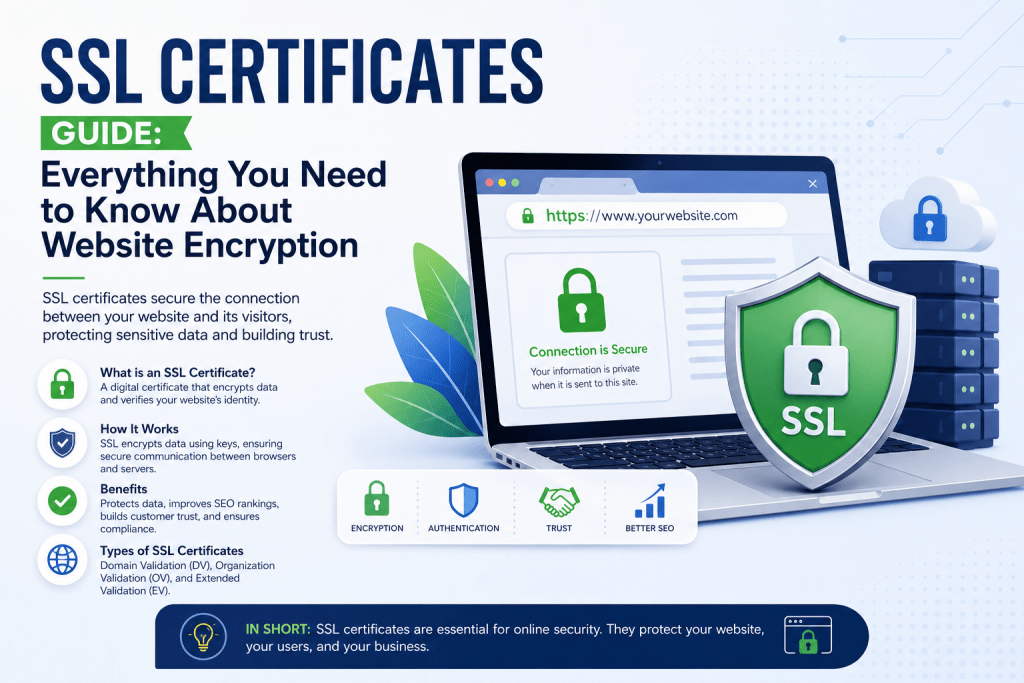
Secure Socket Layer (SSL) is a widely used cryptographic protocol designed to secure communication over computer networks. It operates as a foundational security layer that ensures information transmitted between a user’s device and a server remains confidential and protected from unauthorized access. In modern internet architecture, SSL plays a central role in enabling secure browsing, online transactions, and digital authentication processes. It is integrated into virtually every secure website to protect sensitive data such as passwords, financial details, and personal information. By establishing encrypted communication channels, SSL reduces the risk of interception, manipulation, or data theft during transmission. Its presence is largely invisible to end users, yet it is constantly active whenever secure communication is required, making it a critical component of internet safety infrastructure.
Core Purpose of SSL in Data Protection
The primary purpose of SSL is to safeguard data as it moves across networks. When information is transmitted without encryption, it can be exposed to interception by malicious actors. SSL addresses this vulnerability by converting readable data into encrypted formats that are unintelligible without proper decryption keys. This ensures that even if data is intercepted, it cannot be understood or altered. SSL also ensures data integrity, meaning that information cannot be modified during transmission without detection. This dual function of confidentiality and integrity makes SSL essential in protecting sensitive digital communication across various applications, including banking systems, login portals, and online services that require secure user authentication.
How SSL Builds Secure Connections Between Systems
SSL operates through a structured process that establishes trust between a client and a server before any data exchange occurs. When a user attempts to access a secure website, the browser initiates a connection request. The server responds by presenting its digital credentials, which include encryption keys and identity information. The client verifies these credentials before proceeding. Once verification is successful, both parties agree on encryption methods and generate shared session keys. These keys are used to encrypt and decrypt all subsequent communication during the session. This process ensures that both ends of the communication channel are authenticated and synchronized, allowing secure data transfer without exposing sensitive information to external threats.
Encryption as the Foundation of SSL Security
Encryption is the core mechanism that makes SSL effective. It involves transforming readable information into a coded format that can only be decoded using authorized keys. SSL typically uses two types of encryption: asymmetric and symmetric. Asymmetric encryption is used during the initial handshake phase to securely exchange keys, while symmetric encryption is used for faster data transmission once the secure session is established. This combination provides both strong security and efficient performance. Encryption ensures that data remains protected even if it passes through unsecured networks or is intercepted by unauthorized parties, making it a critical safeguard in digital communication systems.
Understanding the Public and Private Key Mechanism
SSL relies heavily on a dual-key system consisting of a public key and a private key. The public key is openly shared and used by clients to encrypt data before sending it to a server. The private key is securely stored by the server and used to decrypt incoming encrypted information. This separation ensures that even if the public key is widely accessible, the encrypted data remains secure without access to the private key. The private key must be carefully protected because it directly controls access to decrypted information. This asymmetric structure forms the backbone of SSL security and ensures that only authorized systems can access sensitive data exchanged during communication.
The SSL Handshake and Secure Session Establishment
The SSL handshake is a critical process that initiates secure communication between a client and a server. It begins when the client requests a secure connection, prompting the server to present its digital certificate. The client then verifies the certificate’s authenticity and checks whether it is valid and trusted. After verification, both parties agree on encryption algorithms and generate session keys used for secure communication. Once the handshake is complete, a secure encrypted session is established. This entire process occurs within milliseconds, allowing users to interact with websites seamlessly while maintaining high levels of security in the background.
Role of SSL Certificates in Digital Identity Verification
An SSL certificate functions as a digital identity document for websites. It verifies that a website is legitimate and confirms its ownership. The certificate contains essential information such as the domain name, the organization associated with the website, and the public encryption key. It also includes details about the certificate’s validity period and the entity responsible for issuing it. When a browser connects to a website, it checks this certificate to ensure that the connection is secure and trustworthy. This verification process helps prevent users from interacting with fraudulent or malicious websites that attempt to impersonate legitimate services.
How SSL Certificates Enable Secure Browsing Indicators
Modern browsers use SSL certificates to indicate whether a website is secure. When a valid certificate is detected, the browser establishes an encrypted connection and marks the site as secure. This visual indicator helps users distinguish between protected and unprotected websites. If a certificate is missing or invalid, browsers display warnings to alert users about potential security risks. These indicators play an important role in user awareness and help promote safer browsing habits. SSL certificates therefore not only protect data but also contribute to transparency in digital communication by signaling security status clearly.
Integration of SSL with Secure Web Protocols
SSL is closely integrated with secure web communication protocols to enable encrypted browsing. When SSL is active, it upgrades standard communication channels to secure ones, ensuring that all data transmitted between a browser and a server is encrypted. This integration prevents unauthorized access to sensitive information during online interactions. It also ensures that data integrity is maintained throughout the communication process. Secure web protocols rely on SSL to function effectively, making it an essential component of modern internet infrastructure. Without SSL, secure web communication would not be possible in its current form.
Evolution of SSL in Internet Security Systems
SSL has evolved significantly since its introduction, adapting to the increasing demands of internet security. Early versions focused primarily on basic encryption, while modern implementations incorporate advanced cryptographic techniques and stronger authentication mechanisms. This evolution has been driven by the growing complexity of cyber threats and the need for stronger protection of digital communication. Today, SSL is considered a standard security requirement across most online platforms, particularly those handling sensitive user data. Its continuous development reflects the ongoing effort to strengthen internet security and maintain trust in digital systems.
Importance of SSL in Protecting Online Data Exchange
SSL plays a crucial role in ensuring that data exchanged over the internet remains private and secure. Without SSL, information transmitted between users and servers would be vulnerable to interception and manipulation. By encrypting data and verifying identities, SSL reduces the risk of cyberattacks and unauthorized access. It also supports secure authentication processes, ensuring that only legitimate users can access protected systems. This makes SSL an essential technology for maintaining privacy, security, and trust in digital communication environments where sensitive data is constantly being exchanged.
Structural Components of an SSL Certificate
An SSL certificate contains multiple structured elements that define its function and validity. These include the public key used for encryption, the domain name associated with the certificate, and identity information about the certificate holder. It also contains metadata such as expiration dates and issuing authority details. This structured information allows systems to quickly verify authenticity and establish secure connections. The certificate acts as a digital verification tool that confirms the legitimacy of a website and enables encrypted communication between users and servers without requiring manual authentication steps.
Operational Role of SSL in Continuous Web Security
SSL operates continuously in the background whenever a secure connection is established. Once a session begins, it maintains encryption for all data exchanged until the session ends. This ongoing protection ensures that sensitive information remains secure throughout the entire interaction. SSL also monitors the integrity of data during transmission, ensuring that no unauthorized modifications occur. Its continuous operation makes it an essential part of real-time web security, providing uninterrupted protection for users engaging in online activities that involve sensitive or confidential information.
How SSL Certificates Authenticate Website Identity
SSL certificates play a central role in confirming the legitimacy of a website before any secure communication begins. Authentication is the process of verifying that a website is genuinely owned and operated by the entity it claims to represent. When a browser connects to a server, it requests the SSL certificate as part of the initial handshake. This certificate contains identity-related data that has been validated through cryptographic verification processes. The browser checks this information against trusted validation rules to ensure that the certificate is not forged or tampered with. If the verification succeeds, the website is considered authentic, and a secure session can proceed. This process prevents users from unknowingly interacting with fraudulent or impersonated websites designed to steal sensitive information.
The Structure and Composition of SSL Certificates
An SSL certificate is a structured digital file that contains multiple layers of security-related information. At its core, it includes the public key used for encryption, which allows secure communication between the client and server. It also contains domain-specific details, such as the exact website name the certificate is issued for, ensuring that encryption is tied to a verified identity. In addition, it includes organizational data that helps establish ownership and legitimacy. The certificate also contains validity periods that define when it becomes active and when it expires. This structured format ensures that systems can quickly evaluate whether a certificate is trustworthy and currently valid before initiating secure communication.
Role of Certificate Authorities in SSL Validation
Certificate Authorities (CAs) are trusted entities responsible for issuing SSL certificates after verifying the identity of the requesting organization. They act as intermediaries between websites and users by validating ownership and legitimacy before granting a certificate. The validation process varies depending on the level of certification, ranging from basic domain verification to extended organizational validation. Once issued, the certificate is digitally signed by the authority, which allows browsers to recognize it as trustworthy. This trust model is fundamental to SSL security because it ensures that only verified entities can obtain certificates, reducing the risk of impersonation and fraudulent websites operating under false identities.
SSL Certificate Validation Process in Browsers
When a user accesses a secure website, the browser performs a detailed validation process to ensure the SSL certificate is valid. This process begins by checking whether the certificate is issued by a trusted authority. It then verifies whether the certificate is still within its validity period and whether it matches the domain being accessed. The browser also checks whether the certificate has been revoked or compromised. If all checks are successful, the browser establishes a secure connection and displays security indicators to the user. If any validation step fails, the browser issues warnings, alerting the user to potential security risks. This automated validation process is critical for maintaining trust in online communication.
Encryption Mechanisms Used in SSL Communication
SSL relies on advanced encryption techniques to secure data during transmission. The encryption process begins with asymmetric cryptography during the handshake phase. This involves a pair of keys where one encrypts data and the other decrypts it. Once secure communication is established, SSL switches to symmetric encryption for efficiency. Symmetric encryption uses a single shared key for both encryption and decryption, allowing faster data processing. This combination ensures both strong security and high performance. The encryption algorithms used in SSL are designed to resist modern cyber threats and are regularly updated to maintain effectiveness against evolving attack methods.
Session Keys and Secure Data Transmission
Session keys are temporary encryption keys generated during the SSL handshake. These keys are used to encrypt all data exchanged between the client and server during a session. Unlike permanent keys, session keys are unique to each communication session and are discarded once the session ends. This approach enhances security by limiting the exposure of encryption keys and reducing the risk of long-term compromise. If a session key is intercepted, it cannot be reused for future communication sessions. This dynamic key generation process is an essential feature of SSL that ensures secure and isolated communication channels for every connection.
Importance of Domain Matching in SSL Security
Domain matching is a critical step in SSL certificate validation. It ensures that the certificate presented by a server corresponds exactly to the domain being accessed by the user. If there is a mismatch, it indicates a potential security issue, such as a misconfigured server or a malicious attempt to redirect traffic. Browsers use strict validation rules to compare the domain name in the certificate with the requested website address. Only when both match perfectly is the connection considered secure. This mechanism prevents attackers from using fake certificates on unrelated domains, strengthening overall web security.
Types of SSL Certificates and Their Functional Differences
SSL certificates come in different types based on validation level and usage scope. Domain-validated certificates provide basic encryption and confirm ownership of a domain. Organization-validated certificates offer a higher level of trust by verifying organizational identity in addition to domain ownership. Extended validation certificates provide the highest level of assurance, requiring extensive verification of the organization’s legal existence and operational legitimacy. There are also wildcard certificates that secure multiple subdomains under a single domain, and multi-domain certificates that protect several distinct domains. Each type serves different security needs depending on the complexity and scale of the digital environment.
How SSL Strengthens Data Integrity During Transmission
Data integrity refers to the assurance that information remains unchanged during transmission. SSL ensures data integrity by applying cryptographic hashing techniques that detect any modifications during transit. When data is sent, a hash value is generated and transmitted along with the encrypted information. The receiving system recalculates the hash and compares it with the original. If both match, the data is confirmed as intact. If there is any discrepancy, the system identifies potential tampering or corruption. This mechanism ensures that sensitive information remains accurate and reliable throughout the communication process.
SSL Role in Preventing Data Interception Attacks
One of the primary threats in digital communication is data interception, where attackers attempt to capture information transmitted between systems. SSL mitigates this risk by encrypting all data before transmission. Even if intercepted, the data appears as unreadable ciphertext without the decryption key. This makes it extremely difficult for attackers to extract meaningful information. Additionally, SSL ensures that any attempt to modify intercepted data is detected through integrity checks. These combined protections significantly reduce the effectiveness of interception-based attacks and enhance overall communication security.
Browser Security Indicators and User Awareness
Modern browsers incorporate visual indicators to inform users about the security status of a website. When SSL is active and valid, the browser displays secure connection indicators. These signals help users identify trusted websites and avoid potentially harmful ones. If SSL is missing or invalid, browsers display warning messages to alert users of security risks. This system enhances user awareness and encourages safer browsing behavior. It also reinforces the importance of SSL in maintaining trust between users and websites by making security status visible and understandable without technical knowledge.
Impact of SSL on Search Engine Trust and Visibility
SSL has become an important factor in determining website trustworthiness in digital ecosystems. Secure websites are generally prioritized in search visibility systems because they provide safer user experiences. Websites without SSL may be flagged as less secure, which can affect user engagement and trust levels. As a result, SSL adoption has become a standard requirement for maintaining competitive online presence. This shift reflects the broader emphasis on security as a core component of digital credibility and user confidence across online platforms.
SSL Performance Optimization in Modern Networks
Although SSL introduces encryption overhead, modern implementations are optimized for performance efficiency. Hardware acceleration, improved algorithms, and optimized handshake processes help reduce latency and improve connection speed. Techniques such as session reuse and optimized key exchange reduce the computational load required for establishing secure connections. These advancements ensure that SSL does not significantly impact user experience while maintaining strong security standards. As a result, encrypted communication is now both secure and efficient across large-scale digital systems.
Role of SSL in Secure Online Transactions
SSL is essential for protecting online transactions by encrypting financial and personal data during transmission. When users enter sensitive information such as payment details, SSL ensures that this data is securely transmitted to the server without exposure to external threats. It also verifies the legitimacy of the receiving server, reducing the risk of fraudulent transactions. This dual protection of confidentiality and authentication makes SSL a critical component of secure online commerce and digital payment systems.
Continuous Evolution of SSL Security Standards
SSL continues to evolve in response to emerging cybersecurity threats and technological advancements. New versions introduce stronger encryption algorithms, improved authentication methods, and enhanced performance capabilities. These updates are necessary to counter increasingly sophisticated cyberattacks and maintain the integrity of secure communication systems. The evolution of SSL reflects the ongoing need to strengthen digital security frameworks in an environment where data protection is increasingly critical.
Operational Importance of SSL in Large-Scale Systems
In large-scale digital environments, SSL operates as a foundational security layer across multiple systems and services. It ensures that communication between distributed servers, applications, and users remains secure and consistent. SSL is integrated into cloud systems, enterprise applications, and web infrastructures to provide uniform encryption standards. This widespread integration highlights its importance as a core technology for maintaining secure and reliable digital ecosystems.
Why SSL Became a Global Internet Security Standard
SSL became a foundational standard for internet security due to the increasing need for protecting sensitive digital communication. As online activities expanded into banking, shopping, healthcare, and enterprise systems, the risks associated with unencrypted data transmission also increased. Attackers could easily intercept data traveling across networks if it was not properly secured. SSL addressed this vulnerability by introducing encryption and authentication mechanisms that ensured safe communication between users and servers. Over time, its effectiveness and reliability led to widespread adoption across industries. Today, SSL is no longer optional for most digital systems but a fundamental requirement for establishing trust and protecting user data.
The Relationship Between SSL and HTTPS Protocols
HTTPS is the secure version of standard web communication protocols, and it operates directly through SSL or its modern equivalent. When SSL is active on a website, it enables encrypted communication between the browser and the server, transforming standard HTTP traffic into secure HTTPS traffic. This transformation ensures that all transmitted data is protected from interception and modification. The presence of HTTPS in a website address indicates that SSL encryption is active. This relationship between SSL and HTTPS forms the backbone of secure web browsing, ensuring that users can safely interact with websites without exposing sensitive information.
SSL and the Concept of Secure Data Channels
SSL creates secure communication channels that protect data as it moves between systems. These channels function by encrypting all transmitted information, ensuring that only authorized parties can access and interpret the data. A secure channel is established after successful authentication and key exchange between the client and server. Once established, this channel remains active throughout the session, safeguarding all communication. Even if data passes through multiple intermediate networks, it remains encrypted and protected. This concept of secure channels is essential in modern networking environments where data frequently travels across public and private infrastructure.
How SSL Prevents Man-in-the-Middle Attacks
A man-in-the-middle attack occurs when an unauthorized entity intercepts communication between two parties. SSL protects against this type of attack by verifying the identity of both the client and server before establishing a connection. During the handshake process, certificates are validated to ensure authenticity. If any mismatch or inconsistency is detected, the connection is rejected. Additionally, encrypted communication ensures that even if data is intercepted, it cannot be read or altered. This dual layer of authentication and encryption significantly reduces the risk of interception-based attacks in secure communication systems.
SSL Role in Protecting Sensitive User Credentials
One of the most critical uses of SSL is protecting user credentials such as usernames, passwords, and authentication tokens. When users enter login information on secure websites, SSL encrypts this data before transmission. This prevents attackers from capturing credentials through network monitoring or packet interception. Without SSL, login information could be exposed in plain text, making it vulnerable to exploitation. By securing credential transmission, SSL plays a vital role in maintaining account security and preventing unauthorized access to digital systems.
Certificate Lifecycle and Validity Management
SSL certificates operate within defined validity periods, after which they must be renewed. This lifecycle ensures that encryption standards remain up to date and that expired or outdated certificates do not compromise security. During the validity period, the certificate can be used to establish secure connections. As expiration approaches, systems typically prompt renewal to maintain uninterrupted security. If a certificate expires, browsers may flag the website as insecure, preventing users from establishing trusted connections. Proper lifecycle management is essential for maintaining continuous secure communication.
SSL Expiration and Security Implications
When an SSL certificate expires, it can disrupt secure communication and trigger browser warnings. These warnings indicate that the website’s identity cannot be verified or that encryption may not be reliable. Expired certificates can also expose users to potential risks if secure channels are not properly maintained. Therefore, timely renewal is essential to ensure uninterrupted protection. Organizations typically manage certificate expiration proactively to avoid security disruptions and maintain user trust in their digital services.
Role of SSL in Browser Trust Systems
Browsers rely heavily on SSL certificates to determine whether a website is safe to access. When a valid certificate is detected, the browser establishes a secure connection and displays visual indicators of trust. These indicators help users quickly identify secure websites. If the certificate is invalid or missing, browsers issue warnings to alert users about potential risks. This trust system plays a critical role in guiding user behavior and promoting secure browsing practices across the internet.
SSL in E-Commerce and Digital Payment Security
SSL is essential in protecting online financial transactions. When users make payments or enter sensitive financial data, SSL ensures that this information is encrypted and transmitted securely. This prevents attackers from accessing payment details during transmission. It also verifies the authenticity of the receiving server, reducing the risk of fraudulent transactions. In digital commerce environments, SSL is a fundamental requirement for maintaining customer trust and ensuring secure financial interactions.
The Impact of SSL on User Trust and Digital Reputation
SSL significantly influences user trust in digital platforms. Websites that use SSL are perceived as more reliable and secure, while those without it may be viewed as unsafe. This perception affects user behavior, engagement, and willingness to share sensitive information. SSL therefore contributes not only to technical security but also to digital reputation management. Organizations that implement SSL demonstrate a commitment to protecting user data and maintaining secure communication practices.
SSL and Cybersecurity Defense Strategies
In modern cybersecurity frameworks, SSL is a core defensive mechanism. It works alongside firewalls, intrusion detection systems, and authentication protocols to create layered security. SSL specifically focuses on protecting data in transit, ensuring that communication between systems remains confidential and tamper-proof. Its integration into broader security strategies strengthens overall defense mechanisms and reduces vulnerabilities in digital environments.
Limitations and Challenges of SSL Implementation
While SSL provides strong security, it is not without limitations. Improper configuration can lead to vulnerabilities, and outdated versions may not provide sufficient protection against modern threats. Additionally, SSL does not protect data once it reaches its destination, meaning endpoint security is still required. Managing certificates across large systems can also introduce operational complexity. Despite these challenges, SSL remains a critical component of secure communication when properly implemented and maintained.
Evolution from SSL to Modern Encryption Protocols
Over time, SSL has evolved into more advanced versions of secure communication protocols. These newer implementations address known vulnerabilities and improve encryption strength. The evolution reflects the ongoing need to adapt to emerging cyber threats and technological advancements. While the original SSL framework laid the foundation, modern secure protocols build upon it to provide stronger, more efficient, and more resilient encryption systems for today’s digital environments.
SSL in Cloud Computing and Distributed Systems
In cloud-based environments, SSL plays a vital role in securing communication between distributed systems. Cloud services rely on secure data transmission across multiple servers and networks. SSL ensures that data exchanged between these components remains encrypted and protected. This is particularly important in environments where data is constantly moving between users, applications, and storage systems. SSL helps maintain consistency in security across complex distributed architectures.
Future Importance of SSL in Digital Security Ecosystems
As digital ecosystems continue to expand, SSL will remain a critical component of internet security. Increasing reliance on online services, remote communication, and digital transactions will further elevate the importance of encryption technologies. SSL will continue to evolve to address new security challenges and maintain trust in digital communication systems. Its foundational role in protecting data in transit ensures that it will remain relevant in future cybersecurity frameworks.
Conclusion
SSL certificates have become one of the most fundamental components of modern internet security, forming the backbone of safe communication between users and online systems. Their role goes far beyond simple encryption; they establish trust, verify identity, and ensure that sensitive information remains protected throughout its journey across networks. In today’s highly connected digital environment, where data constantly flows between devices, servers, and applications, SSL acts as a silent guardian that protects users from interception, manipulation, and impersonation attempts.
At its core, SSL is designed to solve a critical problem: how to securely transmit information over an open and potentially insecure network. Without encryption, data sent across the internet would be vulnerable to attackers who could easily intercept and read it. SSL eliminates this risk by converting readable information into encrypted formats that are unintelligible without the correct decryption keys. This ensures that even if data is captured during transmission, it remains useless to unauthorized parties. This fundamental protection is what makes SSL indispensable for activities such as online banking, e-commerce transactions, login authentication, and any exchange of sensitive personal information.
Another important aspect of SSL is its ability to verify identity. The internet does not inherently guarantee that a website is legitimate, which creates opportunities for malicious actors to impersonate trusted services. SSL certificates address this issue by linking cryptographic keys to verified digital identities. When a website presents an SSL certificate, it is essentially proving that it has undergone a validation process confirming its ownership and authenticity. This verification helps users distinguish between genuine websites and fraudulent ones designed to steal data or mislead visitors. The trust established through this mechanism is essential for maintaining confidence in online interactions.
SSL also plays a key role in maintaining data integrity. Beyond simply encrypting information, it ensures that data cannot be altered during transmission without detection. If any modification occurs while data is in transit, the encryption validation process will fail, signaling a potential security breach. This protection is especially important in environments where data accuracy is critical, such as financial systems, healthcare platforms, and enterprise communications. By ensuring that transmitted information remains unchanged, SSL supports reliability and consistency in digital communication.
The widespread adoption of SSL across the internet reflects its importance in establishing a secure digital ecosystem. Most modern websites now use encrypted connections as a standard practice rather than an optional feature. This shift has been driven by increasing awareness of cybersecurity risks and the need to protect user data. As a result, secure communication has become the default expectation for online platforms, and SSL is the technology that makes this possible. Its integration into web browsers, servers, and applications ensures that security is seamlessly embedded into everyday internet usage.
User awareness has also improved due to SSL implementation. Modern browsers clearly indicate whether a website is secure, often displaying visual cues when encryption is active. These indicators help users make informed decisions about which websites they trust with their information. If SSL is missing or improperly configured, browsers issue warnings that alert users to potential risks. This transparency plays an important role in educating users about online safety and encouraging secure browsing habits without requiring technical knowledge.
In addition to security and trust, SSL contributes to the overall stability of digital systems. It enables secure communication across diverse environments, including cloud platforms, mobile applications, and distributed networks. As digital infrastructure becomes more complex, SSL ensures that data remains protected regardless of where it travels. This adaptability makes it suitable for a wide range of use cases, from small websites to large-scale enterprise systems handling millions of transactions daily.
Despite its strong security capabilities, SSL is not without challenges. Proper configuration and maintenance are essential to ensure its effectiveness. Expired or misconfigured certificates can lead to security warnings and disrupted communication. Additionally, SSL does not protect data once it reaches its destination, meaning endpoint security must also be considered as part of a comprehensive cybersecurity strategy. These limitations highlight the importance of using SSL as part of a broader security framework rather than relying on it as a standalone solution.
Over time, SSL has evolved significantly to address emerging security threats and technological advancements. Modern encryption standards have strengthened its ability to resist attacks and improve performance. This evolution reflects the ongoing effort to stay ahead of cyber threats and ensure that secure communication remains reliable in an ever-changing digital landscape. As technology continues to advance, SSL and its successor protocols will likely continue to adapt, incorporating stronger encryption methods and more efficient authentication processes.
Ultimately, SSL certificates represent a foundational pillar of internet security. They provide the essential functions of encryption, authentication, and data integrity that make safe online communication possible. Without SSL, the modern internet would be far more vulnerable to attacks, misinformation, and data breaches. Its presence ensures that users can interact with digital systems with confidence, knowing that their information is protected. As digital reliance continues to grow, SSL will remain a critical technology in safeguarding privacy, trust, and security across global networks.