
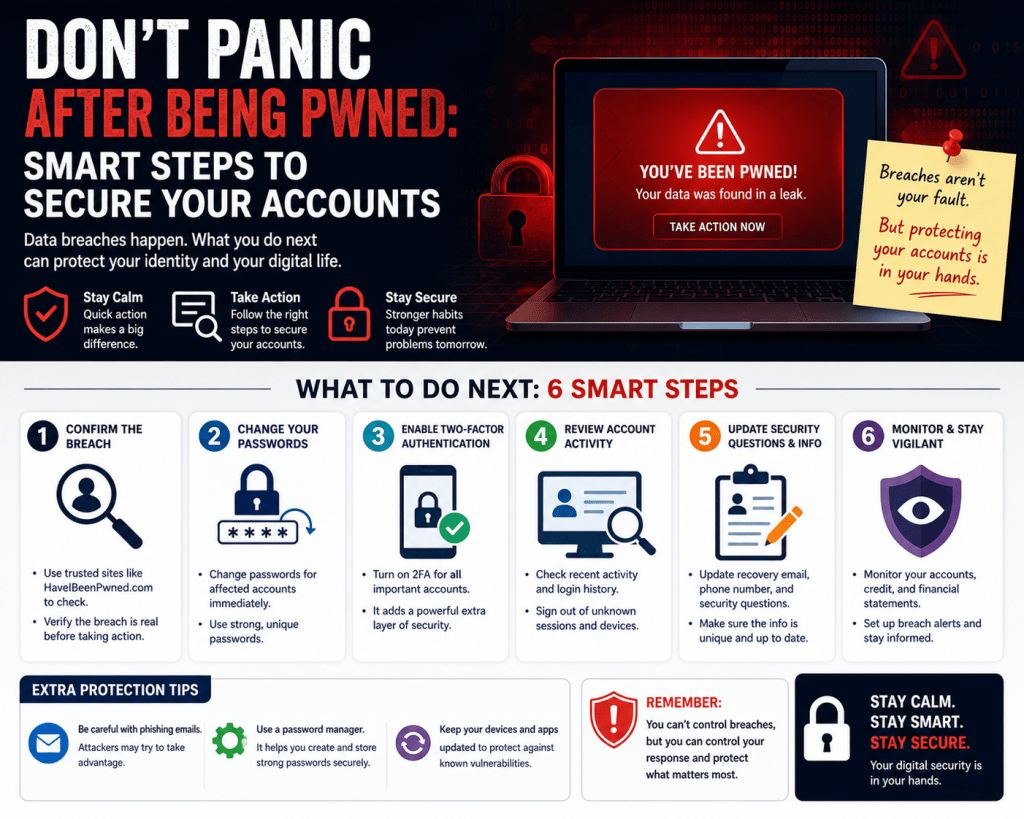
The digital world has entered an era where data breaches are no longer rare events but continuous occurrences. Every year, massive volumes of personal information are exposed through compromised systems, affecting billions of accounts across different platforms. These exposures include email addresses, usernames, and passwords that were once thought to be securely stored. Over time, the accumulation of such incidents has created a vast underground ecosystem of leaked credentials that circulate repeatedly across different channels.
What makes this situation particularly concerning is not just the size of individual breaches but the combined impact of multiple incidents over time. When data from various compromised systems is aggregated, the total number of exposed records grows exponentially. This creates a persistent security challenge where old data continues to resurface in new contexts, often long after the original breach occurred.
Many users assume that once a company announces a security incident, the risk begins at that moment. In reality, the exposure often begins much earlier, sometimes months or even years before detection. Attackers frequently gain access to systems quietly and extract information in small amounts to avoid triggering alerts. This stealthy approach allows breaches to remain undetected for extended periods while sensitive data is gradually collected.
The structure of modern digital services contributes to this vulnerability. Most online platforms rely on credential-based authentication, where access is granted through a combination of usernames and passwords. While simple and convenient, this method creates a single point of failure. If these credentials are exposed, they can be reused across multiple systems, amplifying the potential damage.
As digital ecosystems expand, the number of services requiring login credentials has increased significantly. Individuals now manage dozens or even hundreds of accounts across various platforms, including communication tools, financial systems, entertainment services, and professional applications. Each of these accounts represents a potential entry point for attackers if credentials are compromised.
This interconnected environment means that a breach in one system can have far-reaching consequences beyond its original scope. Stolen credentials are often tested across multiple platforms in automated attacks, taking advantage of password reuse habits. Even if only one system is breached, the ripple effect can extend far beyond that initial compromise.
The growing scale of breaches highlights a fundamental shift in cybersecurity risk. Instead of isolated incidents affecting small groups of users, modern breaches impact vast populations simultaneously. This creates a scenario where exposure is not a question of if, but when, making proactive security measures essential for reducing long-term risk.
Why Breaches Remain Hidden for Long Periods
One of the most overlooked aspects of data breaches is the significant delay between the initial intrusion and public awareness. In many cases, organizations do not immediately realize that their systems have been compromised. Attackers often exploit vulnerabilities in a way that allows them to remain undetected while quietly collecting data over time.
This lack of immediate detection is partly due to the complexity of modern digital infrastructures. Large organizations operate across distributed systems, cloud environments, and third-party integrations. Monitoring every access point in real time is extremely challenging, which creates opportunities for unauthorized activity to go unnoticed.
Even when unusual activity is detected, identifying the full scope of a breach requires extensive investigation. Security teams must analyze logs, trace access patterns, and determine which systems were affected. This process can take considerable time, especially when attackers have carefully hidden their presence within normal system behavior.
Another factor contributing to delayed awareness is the strategic behavior of attackers. Instead of launching immediate large-scale attacks, they often adopt a low-profile approach. By extracting data slowly, they reduce the likelihood of triggering alarms or automated defense mechanisms. This gradual extraction allows them to remain inside systems for extended periods without detection.
Once a breach is discovered internally, organizations face additional delays before public disclosure. They must assess the severity of the incident, secure affected systems, and coordinate with legal and regulatory requirements. This process can be time-consuming, as premature disclosure may expose ongoing vulnerabilities or legal risks.
During this entire period, exposed data may already be circulating in unauthorized environments. By the time users are informed, the compromised information may have been accessed, shared, or sold multiple times. This delay between compromise and awareness is one of the key challenges in modern cybersecurity defense.
The hidden nature of breaches creates a false sense of security for users. Many assume that no news of a breach means no exposure has occurred. However, the reality is that most breaches are discovered long after the initial compromise, meaning exposure often predates awareness by a significant margin.
This time gap highlights the importance of shifting focus from reactive responses to proactive protection. Waiting for confirmation of a breach is no longer a reliable strategy for maintaining security. Instead, systems and users must operate under the assumption that exposure is already a possibility.
How Stolen Data Spreads Across Digital Ecosystems
Once credentials are exposed through a breach, they rarely remain confined to a single location. Instead, they become part of a larger network of leaked information that is continuously redistributed. This distribution occurs across various digital environments where compromised data is collected, repackaged, and reused for different purposes.
One of the primary ways stolen credentials spread is through automated testing systems. These systems take large sets of leaked usernames and passwords and attempt to reuse them across multiple platforms. Because many individuals reuse passwords across different accounts, this method often yields successful unauthorized access.
In addition to automated systems, compromised data is frequently shared among different groups operating within underground digital spaces. These groups may compile multiple breach datasets into larger collections, increasing the value and usability of the information. Over time, older breaches are merged with newer ones, creating extensive databases of credentials.
The circulation of stolen data is not limited to a single cycle. Instead, it often recirculates repeatedly over time. Even data from older breaches can remain useful years later if users have not updated their credentials. This long lifespan of compromised information increases the overall risk associated with any single breach event.
Another important factor is the use of pattern recognition techniques. Attackers analyze leaked credentials to identify common password structures, reused patterns, and predictable behaviors. This information is then used to refine future attack strategies, making subsequent attempts more effective.
The interconnected nature of digital systems also contributes to the spread of compromised data. When users link multiple services together or reuse login credentials across platforms, a single exposed password can unlock access to several accounts. This chain reaction significantly increases the impact of initial breaches.
As stolen data continues to circulate, it becomes increasingly difficult to contain. Even if sources are secured, copies of the data may already exist elsewhere. This persistence makes digital exposure a long-term risk rather than a temporary issue tied to a single event.
Understanding this spread is essential for recognizing why credential protection must extend beyond initial breach response. Once data enters circulation, it can continue to be exploited indefinitely unless users take steps to change and secure their credentials.
The Reality of Reused Password Risk
Password reuse is one of the most significant vulnerabilities in personal cybersecurity practices. Despite widespread awareness of security risks, many individuals continue to use the same or similar passwords across multiple accounts due to convenience and memorability. This behavior creates a dangerous pattern where a single compromised credential can unlock multiple digital identities.
The primary issue with password reuse is that it transforms isolated breaches into widespread security failures. If one account is exposed, attackers can attempt the same credentials across other platforms. When successful, this leads to multiple account compromises originating from a single point of failure.
This risk is amplified by the increasing availability of automated attack tools. These systems can rapidly test large volumes of credentials across numerous services, identifying matches in a short period of time. The efficiency of these tools makes reused passwords highly vulnerable, even if they were originally considered strong.
Another factor contributing to password reuse is cognitive overload. With the growing number of online accounts, it becomes difficult for individuals to remember unique credentials for each service. As a result, predictable patterns or repeated passwords are often used as a coping mechanism.
However, this convenience comes at a high cost. Once a reused password is exposed, attackers gain a key that may unlock multiple aspects of a user’s digital life. This can include personal communication, financial access, and social platforms, all depending on how widely the password was reused.
The risk extends beyond individual accounts to broader identity exposure. When multiple accounts are compromised, attackers can build detailed profiles of users, increasing the potential for further exploitation. This includes targeted phishing attempts and impersonation strategies designed to extract additional information.
Reducing password reuse is, therefore, a critical step in minimizing exposure risk. Unique credentials for each account ensure that a single breach does not cascade into multiple compromises. This principle forms the foundation of modern credential security practices.
The shift away from password reuse represents a broader change in how digital identity is managed. Instead of relying on memory-based systems, security now increasingly depends on structured tools and automated protection mechanisms designed to eliminate human error from the equation.
Why Traditional Password Habits Fail in Modern Security Environments
The way people historically manage passwords is fundamentally mismatched with the scale and complexity of today’s digital ecosystem. In earlier computing environments, users typically maintained a small number of accounts, often using simple credentials that were easy to remember. Modern environments are entirely different, with individuals managing dozens or even hundreds of accounts across work, communication, entertainment, financial, and cloud-based systems. This expansion has made traditional password habits increasingly unsafe and inefficient.
One of the biggest weaknesses in traditional password behavior is reliance on memorization. Human memory is not designed to securely store large sets of complex, random strings. As a result, people tend to simplify passwords by using predictable patterns, familiar words, or repeated structures. While this makes passwords easier to recall, it also makes them easier for automated systems to guess or reconstruct.
Another common issue is password recycling. When users struggle to remember multiple credentials, they often reuse the same password across different platforms. This behavior significantly increases risk because a single compromised account can act as a gateway to many others. Attackers frequently exploit this pattern by testing leaked credentials across multiple services in automated sequences.
Predictability also plays a major role in password failure. Even when users attempt to create unique passwords, they often rely on personal information such as names, birthdays, or favorite phrases. These elements are easily discovered through social engineering or public data sources, making such passwords far weaker than they appear.
The increasing sophistication of automated attack systems further exposes these weaknesses. Modern tools can attempt millions of password combinations per second, focusing on commonly used patterns and previously leaked credentials. This means that weak or reused passwords are often compromised in extremely short timeframes without any human intervention.
Another limitation of traditional password practices is the lack of centralized management. Users often store passwords in insecure locations such as notebooks, browser autofill systems, or memory-based lists. These methods are vulnerable to both physical and digital compromise, further increasing exposure risk.
As digital ecosystems continue to grow, the gap between human capability and security requirements becomes wider. The number of accounts an average user maintains has increased dramatically, while expectations for password strength have also risen. This creates a situation where manual password management becomes increasingly impractical.
This mismatch between human behavior and security demands is one of the primary reasons why credential breaches have such a widespread impact. Systems may be technically secure, but user behavior often introduces vulnerabilities that cannot be fully mitigated at the infrastructure level alone.
How Modern Credential Attacks Exploit Human Behavior
Attackers in the current digital landscape focus heavily on exploiting predictable human behavior rather than breaking encryption systems directly. This shift in strategy reflects the understanding that human weakness is often easier to exploit than technical systems. One of the most common techniques used is credential stuffing, where previously leaked username and password combinations are tested across multiple platforms.
This method is highly effective because of password reuse habits. When users employ the same credentials across different services, a single breach can lead to widespread unauthorized access. Automated systems can test thousands or millions of credential pairs in a short time, making this approach both efficient and scalable.
Phishing is another widely used technique that targets human behavior rather than system vulnerabilities. In these attacks, users are tricked into entering their credentials into fake login pages or deceptive communications. Once entered, the information is immediately captured and used for unauthorized access.
Social engineering also plays a significant role in credential attacks. Attackers may impersonate trusted entities, such as service providers or technical support staff, to manipulate individuals into revealing sensitive information. These methods rely on psychological pressure rather than technical exploitation, making them difficult to detect through traditional security systems.
Brute-force attacks remain relevant, especially when weak or short passwords are involved. In these cases, automated systems systematically attempt different combinations until a match is found. While strong passwords significantly reduce the effectiveness of this method, weaker passwords remain highly vulnerable.
Another evolving threat involves password pattern analysis. Attackers study leaked datasets to identify common structures and behaviors in password creation. These insights are then used to refine future attack strategies, making them more targeted and efficient.
The combination of these techniques demonstrates that modern credential attacks are not random but highly structured. They leverage both technological capabilities and psychological understanding of user behavior to maximize success rates.
This reality highlights the importance of moving beyond traditional password reliance and adopting more advanced security mechanisms that do not depend solely on human decision-making.
The Role of Automated Password Management in Security Improvement
Automated password management systems have emerged as a critical solution to the growing complexity of digital credential security. These systems are designed to eliminate the need for human memory in password creation and storage, replacing it with structured, algorithm-driven processes.
At their core, these systems generate highly complex passwords that are resistant to brute-force attacks and pattern recognition. Unlike human-created passwords, which often contain predictable elements, automated systems produce entirely random combinations of characters that have no logical structure.
This randomness significantly increases security strength because it removes identifiable patterns that attackers typically exploit. Even if a password is exposed in one system, its uniqueness ensures that it cannot be reused elsewhere, limiting the impact of any single breach.
Automated systems also securely store credentials in encrypted formats. Access to these stored passwords is typically protected by a single master credential or biometric authentication. This reduces the need for users to remember multiple complex passwords while maintaining high levels of security.
Another advantage of these systems is seamless integration with login processes. Many modern implementations automatically fill credentials into login fields, reducing friction during authentication. This encourages users to adopt stronger passwords without experiencing additional inconvenience during daily use.
The adoption of automated password systems also reduces reliance on insecure storage methods. Instead of writing passwords down or saving them in unprotected locations, credentials are securely stored within encrypted environments designed specifically for protection.
Despite these advantages, initial setup requires effort. Users must transition existing accounts to new credentials and establish secure master access. However, once implemented, the ongoing maintenance is minimal compared to manual password management.
The shift toward automation reflects a broader trend in cybersecurity: reducing human involvement in areas where errors are common and consequences are severe. By delegating password complexity to specialized systems, users significantly reduce their exposure to credential-based attacks.
Multi-Layer Authentication as a Defense Mechanism
As password-based systems alone are no longer sufficient, multi-layer authentication has become a standard security enhancement. This approach requires users to provide additional verification beyond a password, creating multiple barriers to unauthorized access.
The most common form of this system involves time-sensitive verification codes. After entering a password, users must input a temporary code generated through a device or application. These codes change frequently, making them difficult for attackers to reuse or intercept effectively.
This additional layer significantly reduces the risk associated with stolen passwords. Even if credentials are exposed, access cannot be granted without the second authentication factor. This separation of knowledge and possession creates a stronger security framework.
Another form of multi-layer authentication involves biometric verification. This method uses physical characteristics such as fingerprints or facial recognition to confirm identity. Since these attributes are unique to each individual, they provide a strong form of authentication that is difficult to replicate.
However, even multi-layer systems are not entirely immune to attacks. Phishing techniques can sometimes target authentication codes in real time, and malware can attempt to intercept session data. Despite these risks, multi-layer authentication remains significantly stronger than password-only systems.
The effectiveness of this approach lies in redundancy. By requiring multiple independent forms of verification, attackers must overcome several barriers simultaneously. This increases the complexity and cost of successful attacks, making them less likely to occur at scale.
Multi-layer authentication is particularly important for high-value accounts such as email and financial services. These accounts often serve as central access points for other systems, making their protection critical for overall digital security.
The adoption of this method reflects a broader shift toward layered defense strategies, where no single security measure is relied upon exclusively. Instead, multiple overlapping protections work together to reduce overall risk.
Physical Security Keys and High-Level Account Protection
Physical security keys represent one of the most advanced forms of authentication currently available for consumer and enterprise use. These small hardware devices store cryptographic credentials that are required for account access. Without the physical device, login attempts cannot be completed, even if the correct passwords are provided.
The primary advantage of physical security keys is their resistance to remote attacks. Since authentication requires physical possession of the device, attackers cannot bypass this requirement through digital means alone. This eliminates many common attack vectors, such as credential theft and remote impersonation.
These devices are often used in combination with password systems and multi-layer authentication, creating a multi-factor security structure that is extremely difficult to compromise. Even if one layer is breached, additional layers remain in place to prevent unauthorized access.
One of the most important use cases for physical security keys is protecting email accounts. Email systems are often used as recovery mechanisms for other accounts, meaning that compromising email access can lead to broader security failures across multiple platforms.
By securing email with a physical authentication device, users significantly reduce the risk of account recovery abuse. Attackers cannot easily reset passwords or gain control of linked services without physical access to the authentication key.
Despite their strong security benefits, physical keys do introduce an additional dependency. Users must manage and safely store the device to avoid loss or damage. However, modern implementations often include backup methods to mitigate this risk.
The adoption of physical security keys represents the highest level of consumer-accessible authentication currently available. While not universally required, they provide a significant upgrade in protection for high-value accounts and sensitive data environments.
Building a Security-First Mindset in a Constant Breach Environment
Modern cybersecurity is no longer about preventing all breaches because that goal is no longer realistic. Instead, the focus has shifted toward minimizing damage when exposure inevitably occurs. This shift requires a fundamental change in mindset, where security is treated as an ongoing process rather than a one-time setup. The assumption that personal or organizational data will eventually be exposed is now a core principle in digital safety strategies.
This mindset begins with understanding that data exposure is not always immediately visible. Credentials can be compromised long before any noticeable impact occurs. Attackers often store stolen data and use it gradually over time, testing combinations and identifying opportunities for access without drawing attention. This delayed exploitation makes it difficult for users to connect breaches with actual incidents in real time.
A security-first mindset emphasizes preparation rather than reaction. Instead of waiting for confirmation that an account has been compromised, users are encouraged to assume potential exposure and take proactive steps to reduce risk. This includes strengthening authentication methods, reducing password reuse, and implementing layered protection systems.
Another key aspect of this mindset is recognizing that convenience often conflicts with security. Many users prioritize speed and ease of access when managing accounts, which leads to weaker credentials and simplified authentication practices. However, modern security requires balancing usability with protection, even if it introduces slight friction into everyday processes.
Understanding the economics of cyberattacks also contributes to a security-focused approach. Attackers tend to target the easiest and most scalable opportunities. Weak passwords, reused credentials, and unprotected accounts represent low-effort, high-reward targets. By strengthening these areas, users make themselves less attractive targets in large-scale automated attacks.
This shift in mindset also involves accepting that no system is completely immune. Even highly secure platforms can experience vulnerabilities due to software flaws, human error, or sophisticated intrusion methods. Recognizing this limitation encourages users to focus on minimizing impact rather than assuming total prevention is possible.
A proactive security approach reduces dependency on external notifications or breach alerts. Instead of waiting for confirmation of exposure, users regularly update and strengthen their credentials as part of ongoing digital hygiene. This continuous process helps reduce long-term risk exposure significantly.
Understanding the Long-Term Nature of Credential Exposure
One of the most misunderstood aspects of digital security is the long lifespan of compromised credentials. When usernames and passwords are exposed in a breach, they do not lose value immediately. Instead, they often remain useful to attackers for years, especially if users do not change their credentials.
This long-term risk exists because leaked data is continuously recycled. Once credentials enter circulation, they may appear in multiple datasets over time, sometimes combined with newer breaches. This aggregation increases the usability of older data and extends its relevance far beyond the original incident.
Many users mistakenly assume that once a breach is old, it is no longer dangerous. However, attackers frequently rely on historical data to identify active accounts that still use outdated credentials. Even breaches from several years ago can still lead to successful unauthorized access if passwords remain unchanged.
The persistence of compromised data also highlights the importance of regular credential updates. Changing passwords after a breach reduces the usefulness of stolen information, effectively cutting off access points that attackers may attempt to exploit later.
Another important factor is the reuse of old passwords. Even after changing credentials, some users revert to previously used passwords for convenience. This behavior reintroduces old vulnerabilities and negates the security benefits of updating credentials in the first place.
The long-term nature of exposure also affects identity patterns. Attackers may use previously leaked data to build profiles of user behavior, including common password structures and account relationships. This information can be used in future targeted attacks, even if the original credentials are no longer valid.
Understanding this persistence reinforces the idea that cybersecurity is not event-based but continuous. Exposure does not end when a breach is discovered; it continues as long as the compromised data remains accessible and usable in digital environments.
How Attackers Combine Data for Maximum Impact
Modern cyberattacks often rely on combining multiple sources of leaked information to increase effectiveness. Instead of using isolated datasets, attackers merge data from different breaches to create larger and more comprehensive credential collections. This process significantly enhances the likelihood of successful unauthorized access.
These combined datasets often include overlapping information, where the same email or username appears in multiple breaches. By analyzing these overlaps, attackers can identify accounts that have reused passwords or maintained consistent login patterns across different platforms.
This aggregation strategy allows attackers to refine their targeting methods. Instead of randomly attempting credentials, they can prioritize accounts that show a higher probability of reuse or weak security practices. This targeted approach improves efficiency and reduces wasted effort.
In addition to combining breach data, attackers also incorporate behavioral analysis. They study how users typically create passwords, including common substitutions, predictable patterns, and frequently used phrases. This knowledge is then applied to generate more effective guessing strategies.
Another layer of sophistication comes from automation. Large-scale systems can process vast amounts of credential data and test them across multiple platforms simultaneously. This enables attackers to exploit vulnerabilities at a scale that would be impossible through manual methods.
The combination of data aggregation, behavioral analysis, and automation creates a highly efficient attack ecosystem. This system continuously evolves as new breaches occur, feeding additional information into existing datasets and refining attack strategies over time.
This environment demonstrates why even older or seemingly insignificant breaches remain relevant. Once data enters this ecosystem, it becomes part of a larger intelligence network used to identify and exploit weaknesses across the digital landscape.
The Importance of Reducing Credential Dependency
One of the most effective long-term security strategies is reducing dependency on traditional password-based authentication. While passwords remain widely used, their limitations have become increasingly apparent in large-scale security environments. Reducing reliance on them improves overall resilience against breaches.
Credential dependency refers to the extent to which access to digital systems relies on memorized information. The more systems depend on passwords alone, the greater the risk associated with human error, reuse, or exposure. Reducing this dependency helps distribute risk across multiple authentication methods.
Modern security systems increasingly incorporate alternative verification methods that do not rely solely on memorized credentials. These methods include device-based authentication, biometric verification, and time-based access controls. Each of these adds a layer of protection beyond traditional passwords.
Reducing credential dependency also involves minimizing the number of points where passwords are required. By centralizing authentication through secure systems or identity management tools, users can reduce exposure across multiple platforms.
Another important strategy is eliminating outdated or inactive accounts. Old accounts often remain vulnerable because they are rarely monitored or updated. Attackers frequently target these accounts as entry points into larger systems.
Credential reduction also includes limiting password reuse across services. Each account should operate independently in terms of authentication, ensuring that a compromise in one area does not affect others. This separation significantly reduces overall risk exposure.
The goal of reducing dependency is not to eliminate passwords but to minimize their role as the primary security barrier. Instead, they become one part of a broader authentication framework that includes multiple verification layers.
Strengthening Digital Resilience Through Layered Protection
Layered protection is a foundational principle in modern cybersecurity strategies. Instead of relying on a single defense mechanism, multiple independent layers are used to protect accounts and systems. This approach ensures that even if one layer is compromised, others remain in place to prevent full access.
The first layer typically involves strong and unique passwords. These credentials serve as the initial barrier against unauthorized access. However, on their own, they are no longer sufficient due to the prevalence of automated attacks and credential leaks.
The second layer often includes multi-factor authentication. This requires additional verification beyond the password, such as temporary codes or device-based confirmation. This significantly reduces the likelihood of successful unauthorized access.
The third layer may involve device recognition or behavioral analysis. These systems monitor login patterns and detect anomalies such as unusual locations or devices. When suspicious activity is detected, additional verification is required.
Physical security keys represent a further enhancement of layered protection. These devices provide cryptographic authentication that cannot be replicated remotely. Their presence adds a strong physical barrier to digital access.
The effectiveness of layered protection lies in its redundancy. Each layer operates independently, meaning that compromising one does not automatically grant access to the entire system. This structure increases the complexity of successful attacks significantly.
Layered systems also provide flexibility in security design. Different accounts can be assigned different levels of protection depending on their sensitivity. High-value accounts receive stronger layers, while less critical systems may use simpler configurations.
This adaptability allows users to balance security with usability while maintaining strong protection for essential accounts. It also ensures that security measures scale effectively with the importance of the data being protected.
Layered protection reflects the modern reality of cybersecurity, where no single solution is sufficient. By combining multiple independent safeguards, users create a more resilient defense system capable of withstanding a wide range of attack methods.
Conclusion
The modern digital landscape has reached a point where exposure of personal data is not an exception but an expected part of online existence. Large-scale breaches affecting millions or even billions of records have become routine rather than rare, reshaping how security must be understood and practiced. In this environment, the traditional idea of preventing all compromise is no longer realistic. Instead, the focus must shift toward resilience, mitigation, and continuous adaptation.
One of the most important realizations in this new environment is that exposure is often invisible at the moment it occurs. Credentials may be stolen, copied, and distributed long before any visible consequences appear. This delay creates a dangerous illusion of safety, where users assume no risk exists simply because no immediate signs of compromise are present. In reality, stolen data can circulate silently for extended periods before being used in attacks.
This hidden timeline of exposure fundamentally changes how security should be approached. Waiting for confirmation of a breach is no longer a viable strategy. By the time a breach becomes publicly known, the associated data may already have been exploited across multiple systems. This reinforces the importance of proactive behavior rather than reactive responses.
At the core of modern security challenges is the human tendency toward convenience. People naturally gravitate toward simplicity, especially when managing large numbers of digital accounts. This often results in password reuse, predictable patterns, or reliance on memory-based systems. While understandable, these habits create vulnerabilities that are easily exploited by automated systems designed to test large volumes of leaked credentials.
The reality of credential reuse is one of the most significant risk multipliers in digital security. A single exposed password can potentially unlock multiple accounts if it has been reused. Attackers rely heavily on this behavior, using automated tools to test credentials across different platforms. This transforms isolated breaches into widespread security incidents affecting multiple aspects of a user’s digital identity.
Addressing this issue requires a shift away from manual password management toward structured systems designed to eliminate human error. Automated password generation and storage solutions reduce reliance on memory and remove predictable patterns from credential creation. By ensuring that each account has a unique and complex password, the impact of any single breach is significantly reduced.
However, password strength alone is no longer sufficient as a standalone defense. Modern security requires layered protection systems that combine multiple independent verification methods. Multi-factor authentication introduces an additional barrier beyond passwords, ensuring that stolen credentials alone are not enough to gain access. This significantly reduces the success rate of unauthorized login attempts.
The evolution of authentication systems reflects a broader trend in cybersecurity: shifting responsibility away from human decision-making and toward structured, automated safeguards. Humans are inherently vulnerable to error, fatigue, and predictability, while automated systems can enforce consistent security standards without deviation. This makes automation a critical component of modern defense strategies.
Even multi-factor authentication, while highly effective, is part of a larger security framework rather than a complete solution. Advanced attack methods such as phishing and real-time interception continue to evolve. This is why additional layers, such as device recognition and behavioral monitoring, are increasingly integrated into security systems to detect anomalies and prevent unauthorized access.
Physical security keys represent one of the strongest available protections in this layered approach. By requiring physical possession of a device for authentication, they eliminate many remote attack vectors. This creates a separation between knowledge-based credentials and physical authentication, significantly increasing the difficulty of unauthorized access.
Despite these advancements, the persistence of compromised data remains a long-term challenge. Once credentials are exposed, they may remain in circulation indefinitely. Attackers can repeatedly use historical data to target accounts, especially if users have not updated or diversified their credentials. This reinforces the importance of ongoing maintenance rather than one-time security actions.
Security in the modern era must therefore be viewed as a continuous process rather than a fixed state. Accounts and credentials require regular evaluation, updates, and reinforcement. Old passwords should not be reused, and inactive accounts should be minimized to reduce potential attack surfaces. This ongoing discipline helps limit exposure over time.
Another critical element of long-term security is reducing dependency on any single authentication method. Systems that rely exclusively on passwords create single points of failure. By diversifying authentication mechanisms, users can distribute risk and reduce the likelihood that one compromised element leads to full account takeover.
Layered defense strategies provide a practical framework for this approach. Each layer—passwords, multi-factor authentication, device verification, and physical security keys—adds incremental protection. The strength of this model lies not in any single component but in the combination of multiple independent barriers working together.
This layered structure also allows for flexibility based on risk level. Not all accounts require the same level of protection, but high-value accounts such as email and financial services benefit significantly from stronger authentication layers. Prioritizing security based on sensitivity helps balance usability with protection.
Ultimately, digital security is no longer about achieving perfect protection but about reducing risk exposure to manageable levels. The goal is to make unauthorized access difficult enough that attackers move on to easier targets. This concept of deterrence through complexity is central to modern cybersecurity strategy.
As digital systems continue to expand and integrate deeper into everyday life, the importance of personal security practices will only increase. Users must adapt to an environment where exposure is inevitable, but damage can be controlled. This requires awareness, discipline, and the willingness to adopt tools and methods that prioritize long-term safety over short-term convenience.
The evolution of cybersecurity reflects a broader truth about digital life: security is a shared responsibility between systems and users. While organizations must build stronger infrastructure, individuals must also adopt better habits. When both sides contribute, the overall resilience of the digital ecosystem improves significantly.
In this environment, informed behavior becomes the most powerful defense. Understanding how breaches occur, how data circulates, and how attackers operate allows users to make better decisions about their digital identities. Knowledge, combined with practical security tools, forms the foundation of effective protection in an increasingly interconnected world.