
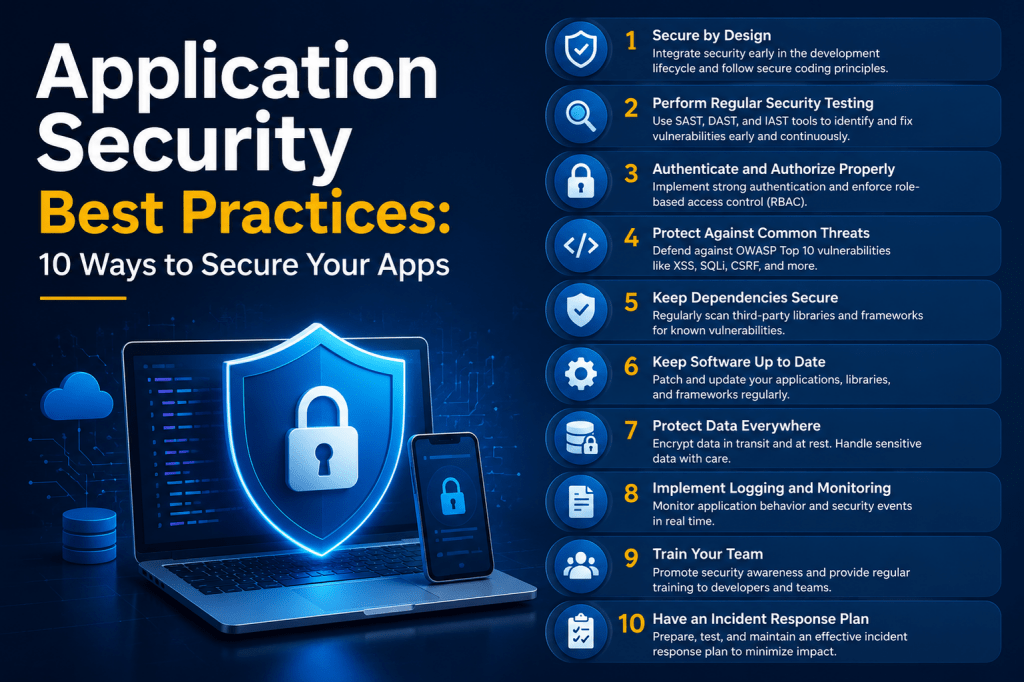
Application security has become one of the most important priorities for businesses, developers, and IT professionals. As organizations rely more heavily on digital platforms, cloud services, mobile applications, and remote access systems, the risks associated with cyber threats continue to grow. Modern applications are no longer limited to internal company networks protected by tightly controlled infrastructure. Today, applications operate across multiple environments, devices, and geographic regions, creating a much larger attack surface for cybercriminals.
The Evolution of Digital Security Challenges
In earlier stages of enterprise computing, applications were commonly hosted within secure local networks where access was tightly managed. Employees worked from centralized office locations, and sensitive information rarely traveled outside internal systems. Over time, technology evolved rapidly, introducing mobile devices, remote work environments, cloud computing, and internet-facing applications. These innovations increased convenience and operational efficiency, but they also introduced new security challenges that organizations could no longer ignore.
Why Application Security Matters More Than Ever
Cybercriminals continuously search for vulnerabilities in applications, networks, and systems. Attackers use automated tools, malware, phishing campaigns, credential theft, and advanced exploitation techniques to compromise sensitive information. A single weak point in an application can expose customer data, financial records, intellectual property, and operational systems. Because of these growing threats, businesses must treat application security as a core part of their development and operational strategies rather than an optional enhancement.
Industry Standards and Security Frameworks
Organizations around the world now recognize the importance of adopting structured security frameworks and standards. Security initiatives such as Open Web Application Security Project have helped define common vulnerabilities and defensive strategies that guide developers and IT teams toward safer application development practices. Security awareness has improved significantly, yet many applications still suffer from poor implementation, weak authentication systems, insecure APIs, and outdated infrastructure.
Building a Comprehensive Security Strategy
Effective application security requires more than installing antivirus software or configuring firewalls. It involves a complete approach that includes secure coding, continuous monitoring, vulnerability testing, encryption, access management, and proactive threat intelligence. Security must be integrated into every phase of the software lifecycle, from planning and development to deployment and maintenance.
Follow Secure Coding Practices
Secure coding practices form the foundation of strong application security. Regardless of how advanced security tools become, poorly written code can create vulnerabilities that attackers can easily exploit. Developers play a major role in protecting applications because security weaknesses often originate during the development stage. Writing secure code requires careful planning, proper validation techniques, disciplined programming methods, and a strong understanding of common attack vectors.
Balancing Functionality and Security
Many developers focus primarily on functionality and performance. Their main objective is to ensure the application performs its intended tasks efficiently. While functionality is important, security must be treated as an equally critical requirement. Applications that function perfectly but contain vulnerabilities can still become major liabilities for organizations. A secure application protects data integrity, user privacy, and system availability while maintaining operational performance.
The Importance of Input Validation
One of the most important aspects of secure coding is input validation. Applications constantly receive data from users, APIs, databases, and external systems. If input is not properly validated, attackers may inject malicious code into forms, URLs, headers, or database queries. SQL injection, command injection, and cross-site scripting attacks often result from weak input handling mechanisms. Developers should validate all incoming data based on expected formats, acceptable ranges, and approved character sets before processing it.
Protecting Applications Through Output Encoding
Output encoding is another critical security measure. Even if input validation is implemented correctly, output displayed to users must also be properly encoded to prevent malicious scripts from executing in browsers. Cross-site scripting attacks commonly occur when applications display untrusted data without proper sanitization. Encoding output helps ensure that user-generated content is treated as data rather than executable code.
Strengthening Authentication Systems
Authentication systems must also be developed carefully. Weak authentication mechanisms create opportunities for unauthorized access. Developers should enforce strong password requirements, support multifactor authentication, and implement secure credential storage using strong hashing algorithms. Passwords should never be stored in plain text, and authentication tokens should be securely generated and protected against theft or reuse.
Managing User Sessions Securely
Session management is equally important in secure application development. Applications use sessions to track authenticated users and maintain access states. Improper session handling can allow attackers to hijack user accounts or impersonate legitimate users. Secure session identifiers, session expiration controls, encrypted cookies, and inactivity timeouts help reduce these risks.
Implementing Strong Access Control Mechanisms
Access control mechanisms determine which users can view, modify, or manage specific resources within an application. Poor access control implementation can expose sensitive data to unauthorized individuals. Developers should follow role-based access principles and ensure that users only receive permissions necessary for their responsibilities. Administrative functions must be separated from standard user privileges, and access checks should be enforced consistently throughout the application.
Using Encryption to Protect Sensitive Data
Cryptographic practices also play a major role in secure coding. Sensitive information such as passwords, payment details, customer records, and authentication tokens should be protected using strong encryption standards. Weak encryption methods or improper key management can render security controls ineffective. Developers must use trusted cryptographic libraries and avoid creating custom encryption algorithms that may contain hidden weaknesses.
Improving Error Handling and Logging
Error handling and logging are often overlooked during development. Detailed error messages may unintentionally reveal system information that attackers can use to identify vulnerabilities. Applications should provide generic error responses to users while securely logging detailed technical information for administrators. Logs should capture suspicious activities, failed login attempts, system exceptions, and security events without exposing confidential information.
Securing Data Transmission Channels
Communication security is another essential component of secure coding. Applications frequently exchange data between servers, databases, APIs, and client devices. Unencrypted communication channels can allow attackers to intercept sensitive information. Secure communication protocols help protect data during transmission and reduce the risk of man-in-the-middle attacks.
Protecting Databases Against Unauthorized Access
Database security must also be addressed carefully. Databases often contain highly sensitive business and customer information. Developers should implement parameterized queries, restrict database permissions, encrypt sensitive records, and monitor suspicious database activity. Direct exposure of database structures or credentials can lead to severe data breaches and operational disruptions.
Managing File Uploads and Storage Safely
File management practices are equally important for application security. Applications that allow file uploads must validate file types, restrict executable content, and scan uploaded files for malicious code. Attackers often exploit insecure file handling mechanisms to upload malware or gain unauthorized server access. Proper file storage permissions and isolation mechanisms help minimize these risks.
Preventing Memory Management Vulnerabilities
Memory management issues can create vulnerabilities that attackers exploit through buffer overflows, memory leaks, and unauthorized memory access. Applications developed in low-level programming languages require careful memory handling practices to avoid introducing exploitable weaknesses. Secure memory allocation and proper resource cleanup improve both security and application stability.
Maintaining Clean and Organized Codebases
Secure coding also involves maintaining clean and organized development practices. Developers should regularly review code, remove unnecessary components, eliminate unused libraries, and update dependencies to their latest secure versions. Third-party libraries and frameworks can introduce vulnerabilities if they are outdated or poorly maintained. Continuous code reviews and dependency management help reduce exposure to known security flaws.
Adopting a Security-First Development Culture
Development teams benefit greatly from adopting a security-first mindset throughout the software development lifecycle. Security should not be added after an application is completed. Instead, it should be integrated into design discussions, coding standards, testing procedures, and deployment strategies. This approach helps organizations identify vulnerabilities earlier, reducing remediation costs and improving overall security posture.
Training Developers in Secure Coding Techniques
Training developers in secure coding techniques is another critical step. Many vulnerabilities arise because developers lack awareness of modern attack methods and secure development principles. Organizations should provide ongoing security education, hands-on training exercises, and secure coding guidelines to help development teams build safer applications from the start.
The Value of Regular Code Reviews
Code review processes also contribute significantly to application security. Peer reviews allow developers to identify potential weaknesses, logic flaws, and insecure implementations before applications are released. Automated code scanning tools can further enhance this process by detecting common vulnerabilities and insecure coding patterns during development.
Keeping Pace With Emerging Threats
Secure coding practices must evolve continuously because cyber threats constantly change. Attackers develop new techniques to bypass defenses and exploit weaknesses in modern applications. Developers and security teams should stay informed about emerging vulnerabilities, updated frameworks, and evolving best practices to maintain effective protection.
Long-Term Benefits of Secure Development Practices
Organizations that prioritize secure coding create stronger foundations for their applications and reduce the likelihood of successful cyberattacks. Secure development practices improve customer trust, support regulatory compliance, protect sensitive data, and reduce operational risks. As applications become more interconnected and exposed to internet-facing environments, secure coding remains one of the most effective defenses against modern cyber threats.
Enforce Minimum Permissions
The principle of minimum permissions is one of the most effective methods for reducing security risks within applications and enterprise systems. This approach limits access rights so users, applications, and processes only receive the permissions necessary to perform their intended tasks. By restricting unnecessary privileges, organizations reduce the likelihood of unauthorized access, accidental misuse, and privilege escalation attacks.
Reducing the Risks of Excessive Permissions
Excessive permissions create dangerous opportunities for attackers. If a compromised account possesses broad administrative privileges, attackers can move through systems more easily, access sensitive information, and disrupt critical operations. Limiting permissions significantly reduces the damage attackers can cause if they gain unauthorized access to an account or application component.
Controlling User Access Effectively
User account management is a major part of permission control. Employees should only have access to the resources required for their specific roles and responsibilities. Administrative privileges should be reserved for authorized personnel who genuinely need elevated access to perform operational duties. Regular users should not possess permissions that allow software installation, system configuration changes, or unrestricted access to confidential databases.
Implementing Role-Based Access Control
Role-based access control provides an effective structure for implementing minimum permission policies. Instead of assigning permissions individually to every user, organizations create predefined roles based on job functions. Users inherit permissions associated with their assigned roles, simplifying management while ensuring consistent access policies across the organization.
Restricting Permissions for Application Services
Application services and background processes also require careful permission management. Many applications rely on automated services that interact with databases, APIs, and operating systems. These services should operate with restricted permissions rather than full administrative access. Attackers frequently target vulnerable service accounts because they often possess excessive privileges that can be exploited for broader system access.
Strengthening Database Permission Policies
Database permissions deserve special attention because databases contain highly sensitive business and customer information. Applications should only receive the database privileges necessary for their operations. For example, a reporting tool may only require read-only access, while transactional systems may need limited write permissions. Restricting database access helps prevent unauthorized modifications and reduces exposure during security incidents.
Securing File System Permissions
File systems must also follow strict permission policies. Sensitive files, configuration data, encryption keys, and application logs should only be accessible to authorized users and services. Improperly configured file permissions can expose confidential information or allow attackers to alter application behavior.
Managing Permissions in Cloud Environments
Cloud environments introduce additional challenges related to permission management. Modern cloud platforms offer extensive configuration options and resource controls. Misconfigured cloud permissions are a common cause of data breaches because administrators may unintentionally expose storage buckets, APIs, or management interfaces to unauthorized users. Organizations must carefully review cloud identity policies and continuously monitor access permissions across cloud infrastructure.
Protecting APIs With Granular Authorization
Application programming interfaces represent another important area where minimum permissions should be enforced. APIs often expose critical functionality and sensitive data to external systems. Strong authentication, granular authorization policies, and limited access scopes help protect APIs from misuse and unauthorized access attempts.
Using Temporary Privilege Elevation
Temporary privilege elevation can further strengthen security operations. Instead of granting permanent administrative access, organizations can provide elevated permissions only when necessary for specific tasks. Once the task is completed, permissions automatically return to their restricted state. This reduces long-term exposure to privilege abuse and insider threats.
Conducting Continuous Permission Audits
Continuous auditing is essential for maintaining proper permission management. Over time, users may accumulate unnecessary privileges due to role changes, promotions, or outdated configurations. Regular access reviews help organizations identify excessive permissions, inactive accounts, and unauthorized privilege assignments before they become security risks.
Monitoring Privileged Account Activity
Monitoring privileged account activity provides additional protection against misuse and compromise. Security teams should track login behavior, administrative actions, and unusual access patterns associated with high-level accounts. Suspicious behavior may indicate insider threats, compromised credentials, or ongoing attacks targeting sensitive systems.
Enhancing Access Security With Multifactor Authentication
Strong authentication mechanisms complement minimum permission policies by protecting access points from unauthorized use. Multifactor authentication significantly reduces the likelihood of attackers successfully using stolen credentials to access privileged accounts. Even if passwords are compromised, additional verification requirements create another barrier against intrusion.
Separating Duties to Reduce Insider Risks
Organizations should also separate duties among employees to reduce insider risks and operational mistakes. Critical operations should require multiple levels of authorization or oversight rather than relying on a single individual with unrestricted control. Separation of duties improves accountability and limits opportunities for fraud or malicious activity.
Improving Stability Through Permission Restrictions
Minimum permission policies also improve system stability and operational efficiency. Applications and users operating with limited access are less likely to make unintended system changes that could disrupt services or corrupt data. Restricting permissions creates more predictable environments and reduces the likelihood of accidental configuration errors.
Documenting Access Control Policies Clearly
Security teams should document permission policies clearly and ensure employees understand their responsibilities regarding access control. Poor communication can lead to confusion, inconsistent implementation, and unauthorized privilege sharing. Well-defined policies help maintain consistent security practices across departments and technical environments.
Using Centralized Identity Management Systems
Modern identity and access management solutions provide centralized tools for managing permissions, authentication, and user provisioning. These platforms help organizations automate access reviews, enforce security policies, and monitor authentication activities more effectively. Integrating centralized identity management improves visibility and simplifies large-scale access control operations.
Learning From Real-World Security Incidents
Cybersecurity incidents frequently demonstrate the dangers of excessive permissions. Many large-scale breaches occur because attackers exploit compromised accounts with unnecessary access rights. Limiting permissions significantly reduces attack surfaces and prevents attackers from gaining unrestricted control over enterprise systems.
The Long-Term Benefits of Least Privilege Security
The principle of minimum permissions remains one of the simplest yet most powerful security strategies organizations can implement. By carefully controlling access to systems, applications, and sensitive information, businesses strengthen their defenses against both external attacks and internal threats while creating a more secure operational environment overall.
Automate Security Functions
Automation has become an essential component of modern application security. As applications grow more complex and cyber threats evolve rapidly, manual security processes alone are no longer sufficient. Organizations must continuously monitor systems, identify vulnerabilities, enforce policies, and respond to threats quickly. Automation improves efficiency, reduces human error, and enables security teams to detect risks before attackers can exploit them.
The Growing Importance of Security Automation
Traditional security operations often relied heavily on manual reviews, periodic testing, and human intervention. While these methods still play an important role, they are not fast enough to keep pace with modern development cycles and sophisticated cyberattacks. Applications are updated frequently, cloud environments change dynamically, and attackers constantly search for new weaknesses. Automation allows organizations to perform security checks continuously without slowing down operations.
Integrating Security Into Development Pipelines
One of the most effective uses of automation is integrating security directly into software development pipelines. Modern development practices emphasize rapid deployment and continuous integration. Automated security scanning tools can analyze source code, dependencies, configurations, and application behavior during development. This approach helps developers identify vulnerabilities early before software reaches production environments.
Improving Efficiency With Continuous Monitoring
Continuous monitoring systems allow organizations to track application activity, network behavior, and infrastructure performance in real time. Automated monitoring tools can detect suspicious activities such as unusual login attempts, unauthorized access requests, abnormal traffic spikes, or malware infections. Real-time alerts help security teams respond to incidents more quickly and reduce potential damage.
Automating Vulnerability Scanning Processes
Vulnerability scanning tools are widely used to identify known weaknesses in applications, servers, operating systems, and third-party components. Automated scanners compare systems against databases of known vulnerabilities and generate reports highlighting security risks. Regular automated scans help organizations maintain visibility into their security posture and address weaknesses before attackers exploit them.
Reducing Human Error Through Automation
Human error remains one of the leading causes of security incidents. Misconfigurations, overlooked updates, weak passwords, and inconsistent policy enforcement can create significant vulnerabilities. Automation reduces reliance on repetitive manual tasks and ensures security controls are applied consistently across systems and environments.
Strengthening Security Testing Procedures
Automated security testing plays a major role in protecting applications during development and deployment. Static application security testing tools analyze source code for vulnerabilities without executing the application. Dynamic testing tools examine running applications to identify runtime weaknesses such as injection flaws, authentication bypasses, and insecure configurations. Combining automated testing methods improves overall application security coverage.
Securing Containerized Applications Automatically
Containerized applications have become increasingly popular because they simplify deployment and scalability. Security automation tools designed for container environments can scan images for vulnerabilities, verify secure configurations, and monitor container activity continuously. Automated container security helps organizations maintain protection across rapidly changing cloud-native environments.
Automating Patch Management Activities
Keeping systems updated with the latest security patches is critical for reducing exposure to known vulnerabilities. However, manually managing updates across large environments can be time-consuming and error-prone. Automated patch management solutions help organizations deploy updates efficiently while minimizing operational disruptions. These systems can prioritize critical patches, schedule deployments, and verify successful installation.
Enhancing Threat Detection With Artificial Intelligence
Artificial intelligence and machine learning technologies are increasingly used in automated security systems. These technologies analyze large volumes of data to identify unusual patterns and detect emerging threats. Advanced threat detection systems can recognize suspicious behavior that traditional rule-based systems might overlook, improving an organization’s ability to identify sophisticated attacks.
Using Automated Incident Response Systems
Incident response automation helps organizations react quickly to security events. Automated response systems can isolate compromised devices, block malicious IP addresses, disable suspicious accounts, or trigger predefined containment procedures immediately after detecting threats. Faster response times reduce the impact of attacks and help contain incidents before they spread further.
Managing Security Configurations Automatically
Configuration management automation ensures systems maintain secure settings consistently across environments. Automated tools can verify compliance with security baselines, identify unauthorized changes, and restore approved configurations when deviations occur. This reduces the risk of insecure system settings exposing applications to attacks.
Improving Compliance Through Automation
Many industries require organizations to comply with strict security regulations and standards. Automated compliance tools help businesses monitor policy adherence, generate audit reports, and identify areas requiring remediation. Automation simplifies compliance management while reducing administrative workloads for security and IT teams.
Securing Third-Party Components Efficiently
Modern applications frequently rely on third-party libraries, frameworks, and open-source components. Automated dependency scanning tools identify outdated or vulnerable components within software projects. These tools help development teams maintain secure dependencies and reduce the risk of introducing known vulnerabilities into applications.
Building Scalable Security Operations
As organizations expand their digital infrastructure, manual security management becomes increasingly difficult. Automation enables security teams to scale operations more effectively without dramatically increasing staffing requirements. Automated systems can monitor thousands of endpoints, applications, and cloud resources simultaneously while maintaining consistent security oversight.
Balancing Automation With Human Expertise
Although automation provides significant advantages, human expertise remains essential. Automated tools can identify vulnerabilities, monitor activity, and enforce policies, but experienced security professionals are still needed to investigate complex incidents, interpret findings, and make strategic decisions. Successful organizations combine automation with skilled human oversight to achieve stronger overall security outcomes.
Preparing for Future Security Challenges
Cybersecurity threats will continue evolving as technology advances. Automation provides organizations with the agility needed to respond to emerging risks more effectively. Businesses that invest in automated security solutions strengthen their ability to protect applications, reduce operational risks, and maintain resilience against increasingly sophisticated cyber threats.
Testing Application Security Continuously
Security testing is one of the most important components of application protection. Even applications built with secure coding practices and advanced security controls can still contain hidden vulnerabilities. Continuous testing helps organizations identify weaknesses before attackers discover them. Without regular testing, businesses may operate under the false assumption that their applications are fully secure while critical flaws remain exposed beneath the surface.
The Purpose of Security Testing
The primary goal of security testing is to uncover vulnerabilities, misconfigurations, and weaknesses that could compromise an application or its supporting infrastructure. Attackers constantly search for entry points into systems, and organizations must think proactively to stay ahead of evolving threats. Security testing allows teams to evaluate how well applications resist attacks under realistic conditions.
Understanding Penetration Testing Methods
Penetration testing is one of the most effective forms of security assessment. Ethical hackers simulate real-world cyberattacks to determine whether applications can withstand malicious attempts to gain unauthorized access. These tests help organizations understand how attackers might exploit vulnerabilities and what impact successful attacks could have on business operations.
Identifying Weaknesses Before Attackers Do
Organizations that conduct regular penetration tests can identify security gaps before cybercriminals exploit them. Ethical testers attempt to bypass authentication systems, exploit injection vulnerabilities, manipulate APIs, and escalate privileges within applications. Discovering these weaknesses early gives security teams time to implement fixes before actual attacks occur.
The Value of Automated Security Testing
Automated security testing tools help organizations scan applications more efficiently and consistently. Automated scanners can detect common vulnerabilities such as SQL injection flaws, cross-site scripting issues, insecure configurations, and outdated software components. These tools improve testing speed and allow security teams to evaluate applications more frequently throughout development and deployment cycles.
Combining Automated and Manual Testing
While automated tools are highly valuable, they should not replace manual testing entirely. Automated scanners may miss complex vulnerabilities related to business logic, authentication workflows, or application-specific behaviors. Skilled security professionals can identify nuanced weaknesses that automated systems might overlook. Combining manual expertise with automation creates stronger overall testing coverage.
Testing During Every Development Stage
Security testing should occur throughout the entire software development lifecycle rather than only before release. Early testing helps developers identify vulnerabilities while code is still being written, reducing remediation costs and preventing insecure components from reaching production environments. Integrating security testing into development pipelines supports faster and more secure software delivery.
Performing Static Application Security Testing
Static application security testing analyzes source code without executing the application. These tools review code for insecure functions, unsafe coding patterns, weak cryptographic implementations, and other vulnerabilities. Static testing helps developers identify issues early in development before applications are deployed or integrated with production systems.
Using Dynamic Application Security Testing
Dynamic application security testing examines running applications while they operate in live or simulated environments. These tests evaluate how applications behave under real-world conditions and identify vulnerabilities that may not be visible during static code analysis. Dynamic testing is especially effective for identifying runtime security issues, authentication flaws, and insecure session handling mechanisms.
Evaluating APIs Through Security Assessments
Application programming interfaces are increasingly targeted by attackers because they expose critical business functions and sensitive data. API security testing helps organizations identify weaknesses such as broken authentication, insecure endpoints, insufficient rate limiting, and unauthorized data exposure. As applications rely more heavily on interconnected services, API testing becomes increasingly important.
Testing Authentication and Access Controls
Authentication systems and access controls require extensive security validation. Weak password policies, insecure session handling, and broken authorization mechanisms can allow attackers to gain unauthorized access to sensitive information. Testing user authentication workflows helps ensure only authorized individuals can access protected resources.
Assessing Cloud Application Security
Cloud-based applications introduce unique security challenges due to shared infrastructure, remote accessibility, and dynamic configurations. Security testing in cloud environments includes evaluating storage permissions, identity policies, network segmentation, and cloud service configurations. Misconfigured cloud resources are a common source of data breaches and operational vulnerabilities.
Conducting Network Security Assessments
Applications depend heavily on underlying network infrastructure. Weak network configurations can expose otherwise secure applications to attacks. Network security testing helps identify open ports, vulnerable services, insecure protocols, and segmentation weaknesses that attackers could exploit to move through enterprise environments.
Evaluating Mobile Application Security
Mobile applications present additional security risks because they operate across diverse devices and networks. Security testing for mobile applications includes examining local data storage, API communication, authentication methods, and application permissions. Weak mobile security can expose sensitive user information and create entry points into backend systems.
Testing Third-Party Integrations Carefully
Modern applications frequently integrate with external services, plugins, payment gateways, and open-source libraries. These integrations can introduce vulnerabilities if third-party components are insecure or outdated. Security testing should include evaluating all integrated systems to ensure external dependencies do not compromise application security.
Simulating Realistic Attack Scenarios
Security assessments become more effective when they simulate realistic attack techniques. Ethical hackers often replicate methods used by actual cybercriminals, including phishing attempts, privilege escalation, credential theft, and lateral movement within systems. Realistic testing provides organizations with a clearer understanding of their true security readiness.
Monitoring Security During Production Operations
Testing should not stop once applications are deployed. Production environments require continuous monitoring and ongoing security validation to identify emerging threats and newly discovered vulnerabilities. Regular security scans, intrusion detection systems, and behavioral monitoring tools help organizations maintain long-term protection.
Creating a Security Testing Culture
Successful organizations treat security testing as an ongoing process rather than a one-time event. Developers, testers, security professionals, and business leaders should collaborate closely to maintain strong security standards. Encouraging a culture of proactive testing helps organizations identify risks earlier and improve overall security awareness.
Patch Your Web Servers Regularly
Web servers play a critical role in application delivery and online business operations. They process requests, host applications, manage communications, and store important data. Because web servers are constantly exposed to internet traffic, they are frequent targets for attackers seeking vulnerabilities they can exploit. Regular patching is one of the simplest yet most effective methods for protecting web servers from known security threats.
Why Unpatched Servers Create Major Risks
Cybercriminals actively search for servers running outdated software versions with known vulnerabilities. Once software vendors discover security flaws, they release patches to fix them. However, attackers also analyze these updates to understand the weaknesses they address. Organizations that fail to apply patches promptly remain exposed to attacks targeting publicly known vulnerabilities.
Understanding the Importance of Timely Updates
Security patches often contain fixes for critical vulnerabilities that could allow attackers to execute malicious code, gain unauthorized access, or disrupt services. Delaying updates increases the window of opportunity for cybercriminals to exploit these weaknesses. Timely patch management significantly reduces exposure to preventable attacks.
Maintaining Operating System Security
Web servers commonly operate on platforms such as Linux, Unix, or Windows Server environments. Each operating system regularly receives updates that address newly discovered vulnerabilities, performance issues, and security improvements. Organizations should maintain structured update schedules to ensure operating systems remain protected against emerging threats.
Protecting Web Server Software
In addition to operating systems, web server software itself requires regular updates. Popular server technologies receive security patches frequently because attackers continuously target widely used platforms. Failing to update server software can expose applications to remote code execution attacks, denial-of-service vulnerabilities, and privilege escalation exploits.
Securing Supporting Components and Services
Web servers rely on many supporting components, including scripting engines, databases, APIs, middleware, and administrative tools. Vulnerabilities within these components can compromise the entire application environment even if the main server software is updated. Organizations must ensure all supporting technologies receive proper security maintenance.
Managing Patch Deployment Carefully
Although patching is essential, updates should be tested carefully before deployment in production environments. Some patches may introduce compatibility issues, configuration conflicts, or unexpected system behavior. Organizations should use staging environments to verify updates before applying them to critical operational systems.
Automating Patch Management Processes
Large organizations often manage hundreds or thousands of servers across multiple environments. Manual patch management becomes difficult and time-consuming at scale. Automated patch management solutions help organizations deploy updates efficiently, monitor installation status, and identify systems missing critical security patches.
Reducing Downtime During Updates
One reason some organizations delay patching is concern about service interruptions. However, modern patch management strategies can minimize downtime through rolling updates, redundancy planning, and maintenance scheduling. Prioritizing security while maintaining business continuity requires careful operational planning.
Monitoring for Vulnerability Announcements
Security teams should actively monitor vendor advisories, threat intelligence feeds, and cybersecurity announcements related to server technologies used within their environments. Early awareness of newly discovered vulnerabilities allows organizations to prioritize remediation efforts and reduce exposure more quickly.
Protecting Against Automated Exploitation
Many cyberattacks are automated. Attackers use bots and scanning tools to search the internet for servers vulnerable to known exploits. Once vulnerable systems are identified, automated attacks may begin immediately. Keeping servers patched helps organizations avoid becoming easy targets for mass exploitation campaigns.
Improving Compliance Through Regular Patching
Many cybersecurity regulations and compliance standards require organizations to maintain updated systems and implement vulnerability management processes. Regular patching supports compliance efforts while demonstrating responsible security practices to customers, regulators, and business partners.
Addressing Legacy System Challenges
Some organizations continue using legacy systems that no longer receive vendor support or security updates. These systems create significant security risks because newly discovered vulnerabilities may remain permanently unpatched. Businesses should develop strategies to replace unsupported technologies or isolate them from critical environments whenever possible.
Maintaining Secure Server Configurations
Patching alone is not enough to secure web servers. Secure configuration management must also be maintained. Default settings, unnecessary services, open ports, and weak administrative credentials can expose servers to attacks even if all patches are installed. Combining patch management with strong configuration practices creates stronger overall protection.
Using Vulnerability Scanning for Verification
Regular vulnerability scanning helps organizations confirm whether servers are fully patched and identify systems missing updates. Automated scanners compare server configurations against known vulnerability databases and generate reports highlighting security gaps that require remediation.
Training IT Teams on Patch Management
Effective patch management depends on skilled IT personnel who understand server technologies, testing procedures, and deployment strategies. Organizations should provide ongoing training to help teams respond quickly to emerging vulnerabilities and maintain secure infrastructure environments.
Building a Long-Term Vulnerability Management Strategy
Patching should be part of a broader vulnerability management program that includes asset inventory tracking, risk assessment, prioritization procedures, and continuous monitoring. Organizations with structured vulnerability management processes are better equipped to respond to evolving security threats.
Strengthening Infrastructure Resilience Through Patching
Regularly patched web servers create stronger foundations for secure applications and reliable digital operations. Consistent update practices reduce attack surfaces, improve system stability, and help organizations defend against increasingly sophisticated cyber threats targeting internet-facing infrastructure.
Inspect All Traffic Carefully
Monitoring network traffic helps organizations detect suspicious activity before attackers can compromise applications. Every application exchanges data with users, APIs, databases, and external systems, making traffic visibility essential for identifying threats and preventing unauthorized access.
Using Web Application Firewalls
Web application firewalls filter and inspect HTTP and HTTPS traffic to block malicious requests. These systems help prevent common attacks such as SQL injection, cross-site scripting, and unauthorized access attempts targeting web applications.
Monitoring APIs and User Activity
Modern applications rely heavily on APIs for communication between systems. Monitoring API traffic helps detect unusual behavior, authentication abuse, and unauthorized requests. Security teams should also analyze user behavior to identify suspicious login patterns and abnormal activities.
Detecting Threats in Real Time
Real-time monitoring tools allow organizations to identify threats quickly and respond before damage spreads. Intrusion detection systems, traffic analytics, and automated alerts improve visibility across networks and help security teams react faster to attacks.
Protecting Against Traffic-Based Attacks
Applications may face attacks designed to overwhelm servers or exploit weak points in network communications. Monitoring traffic patterns helps organizations identify denial-of-service attacks, automated scanning attempts, and malicious traffic spikes before services are disrupted.
Encrypt Everything Possible
Encryption protects sensitive information from unauthorized access during storage and transmission. Modern applications handle passwords, financial records, customer data, and private communications that must remain secure against interception and theft.
Using HTTPS for Secure Communication
HTTPS encrypts communications between users and web servers, preventing attackers from intercepting sensitive information. Applications handling confidential data should always use secure encrypted connections to protect users and business operations.
Protecting Stored Data With Encryption
Sensitive information stored in databases, cloud environments, backups, and file systems should be encrypted to reduce the impact of data breaches. Even if attackers gain access to storage systems, encrypted data remains unreadable without proper decryption keys.
Securing Passwords and Authentication Data
Passwords should never be stored in plain text. Applications must use strong hashing algorithms and secure authentication methods to protect user credentials from compromise.
Managing Encryption Keys Safely
Encryption is only effective when encryption keys are properly protected. Organizations should use secure key management systems to control access, rotate keys regularly, and prevent unauthorized decryption of sensitive information.
Learn About New Vulnerabilities Continuously
Cybersecurity threats evolve constantly, and new vulnerabilities appear every day. Organizations must stay informed about emerging risks affecting applications, operating systems, APIs, and third-party software components.
Monitoring Security Advisories and Threat Intelligence
Security teams should monitor vendor advisories, cybersecurity reports, and threat intelligence sources to identify newly discovered vulnerabilities. Early awareness allows organizations to apply patches and strengthen defenses before attackers exploit weaknesses.
Tracking Third-Party Software Risks
Modern applications often rely on open-source libraries and third-party components. Vulnerabilities within these dependencies can create serious security risks, making continuous monitoring and regular updates essential.
Conducting Regular Vulnerability Assessments
Automated vulnerability scanning and regular security assessments help organizations identify weaknesses within their own systems. Continuous testing improves visibility into security gaps and supports faster remediation efforts.
Improving Employee Security Awareness
Employees should receive ongoing cybersecurity training to recognize phishing attacks, social engineering attempts, and suspicious activities. Human awareness remains an important defense against modern cyber threats.
Conclusion
Strong application security requires continuous attention, proactive planning, and layered protection strategies. Organizations that implement secure coding practices, enforce strict access controls, automate security functions, perform regular testing, maintain updated servers, inspect traffic carefully, encrypt sensitive data, and stay informed about new vulnerabilities create stronger defenses against cyberattacks. A proactive security mindset helps businesses protect critical systems, maintain customer trust, and reduce long-term operational risks in an increasingly connected digital environment.