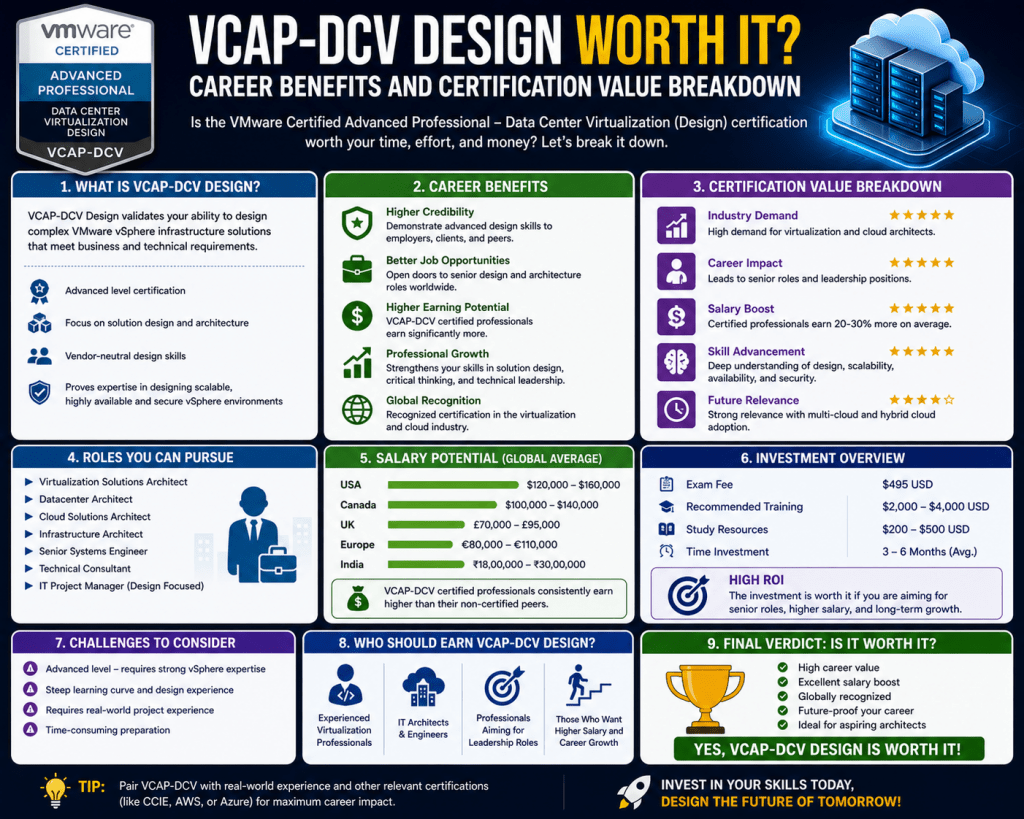
Data center virtualization has become a foundational element of modern IT infrastructure, enabling organizations to operate more efficiently while reducing dependence on physical hardware. By abstracting computing resources such as servers, storage, and networking, virtualization allows multiple workloads to run on a single physical system. This consolidation reduces hardware costs, minimizes energy consumption, and simplifies management. As businesses continue to digitize operations, virtualization plays a central role in ensuring scalability, flexibility, and performance.
The ability to quickly provision resources is one of the most significant advantages of virtualization. Instead of waiting for new hardware deployments, IT teams can allocate resources dynamically based on demand. This agility supports business continuity and accelerates innovation. However, the benefits of virtualization depend heavily on proper planning and design. Without a structured approach, organizations risk creating environments that are difficult to manage and prone to performance issues.
The Dual Nature of Virtualization Success and Failure
Virtualization offers tremendous advantages when implemented correctly, but it can also lead to serious complications if handled poorly. A well-designed virtual environment ensures optimal resource utilization, high availability, and simplified troubleshooting. In contrast, a poorly designed system may result in resource contention, inefficient workloads, and increased downtime. These issues can quickly escalate, leading to higher operational costs and reduced system reliability.
The complexity of virtualization environments makes them particularly sensitive to design decisions. Factors such as network configuration, storage allocation, and workload distribution must be carefully considered. A single miscalculation can create bottlenecks that affect the entire system. This is why organizations place significant importance on skilled professionals who can design and manage virtual infrastructures effectively.
Why Organizations Approach Virtualization with Caution
Despite its advantages, many organizations approach virtualization cautiously due to the potential risks involved. Transitioning from traditional infrastructure to a virtualized environment requires careful planning and a clear understanding of business requirements. Companies must consider factors such as data security, compliance, and disaster recovery. Any oversight in these areas can lead to serious consequences.
Another reason for caution is the potential impact on business operations. A poorly executed virtualization project can disrupt services and affect productivity. Organizations must ensure that their IT teams have the necessary expertise to design and implement virtual environments successfully. This often involves investing in training and certification to build the required skill set.
The Role of Professional Training in Virtualization Design
Professional training plays a crucial role in helping IT professionals develop the skills needed for effective virtualization design. Training programs provide structured learning paths that cover both theoretical concepts and practical applications. They help individuals understand how to analyze requirements, design architectures, and implement solutions that meet organizational needs.
Certification programs, in particular, offer a standardized way to validate expertise. They demonstrate that a professional has the knowledge and skills required to design and manage virtual environments. This validation is valuable for both individuals and employers, as it ensures a certain level of competency and reliability.
Introduction to Advanced Virtualization Design Certification
Advanced certification in virtualization design represents a significant milestone in an IT professional’s career. It focuses on the ability to create comprehensive and efficient virtual data center designs. At this level, professionals are expected to go beyond basic implementation and demonstrate a deep understanding of design principles and best practices.
One such certification is offered by VMware, a leading provider of virtualization technology. This certification validates the ability to design virtual environments that align with business objectives and technical requirements. It is part of a broader certification framework that progresses from foundational knowledge to expert-level expertise.
Understanding the VCAP-DCV Design Certification
The VCAP-DCV Design certification, which stands for VMware Certified Advanced Professional – Data Center Virtualization Design, focuses on advanced design skills for virtual data centers. It is intended for professionals who are responsible for planning and designing virtualization solutions. This certification emphasizes the ability to translate business requirements into technical designs that are both efficient and scalable.
Achieving this certification demonstrates a high level of competence in virtualization design. It indicates that the individual can analyze requirements, identify constraints, and develop solutions that meet organizational goals. This level of expertise is particularly valuable in complex IT environments where design decisions have a significant impact on performance and reliability.
Certification Path and Professional Growth
The certification path leading to advanced design credentials is structured to ensure progressive learning. Professionals typically start with foundational certifications that cover basic concepts and skills. As they gain experience, they move on to intermediate and advanced levels that require deeper knowledge and practical expertise.
This progression helps build a strong foundation for advanced design work. By the time professionals reach the advanced level, they are expected to have substantial hands-on experience and a thorough understanding of virtualization technologies. This structured approach ensures that certified individuals are well-prepared to handle complex design challenges.
Key Design Principles in Virtual Data Centers
Designing a virtual data center involves applying several key principles to ensure efficiency and reliability. These principles include scalability, performance optimization, security, and fault tolerance. Each of these factors plays a critical role in the overall success of the virtual environment.
Scalability ensures that the system can handle growth without significant changes to the architecture. Performance optimization focuses on efficient resource utilization and minimizing bottlenecks. Security involves protecting data and ensuring compliance with regulations. Fault tolerance ensures that the system can continue operating even in the event of failures.
By applying these principles, professionals can create virtual environments that meet both current and future requirements. This holistic approach to design is a core aspect of advanced certification.
The Importance of Requirement Gathering and Analysis
Requirement gathering is a critical step in the design process. It involves collecting information from stakeholders to understand their needs and expectations. This includes identifying performance requirements, security considerations, and operational constraints.
Analyzing these requirements helps ensure that the design aligns with business objectives. It also allows professionals to identify potential risks and develop strategies to mitigate them. Effective requirement analysis is essential for creating a design that meets all necessary criteria.
Conceptual Design in Virtualization
The conceptual design phase focuses on defining the overall vision and objectives of the virtual environment. It involves identifying the key components and determining how they will interact. This phase sets the foundation for the entire design process.
During this stage, professionals consider factors such as business goals, user requirements, and high-level architecture. The conceptual design provides a roadmap for the subsequent stages of the design process.
Logical Design and Its Role in System Structure
The logical design phase translates the conceptual design into a more detailed framework. It defines how different components will be organized and how resources will be allocated. This phase involves creating detailed diagrams and models that represent the system structure.
Logical design focuses on ensuring that the system meets all functional and non-functional requirements. It also involves identifying dependencies and potential points of failure. This level of detail is essential for creating a robust and reliable virtual environment.
Physical Design and Implementation Considerations
The physical design phase involves implementing the logical design using actual hardware and software. This includes selecting specific technologies and configuring them to achieve the desired outcomes. Physical design requires a deep understanding of both the technology and the environment in which it will be deployed.
During this phase, professionals must consider factors such as hardware compatibility, network configuration, and storage solutions. The goal is to create a system that performs efficiently and meets all design requirements.
The Role of Virtualization Platforms in Design
Virtualization platforms provide the tools and features needed to create and manage virtual environments. These platforms enable resource allocation, workload management, and automation. Understanding how to use these tools effectively is a key aspect of virtualization design.
Professionals must be able to configure and manage various components of the platform to optimize performance and ensure reliability. This includes managing clusters, configuring storage, and designing network architectures. Mastery of these tools is essential for successful virtualization design.
Why Advanced Design Skills Are Essential
As IT environments become more complex, the need for advanced design skills continues to grow. Organizations require professionals who can design systems that are not only efficient but also adaptable to changing needs. Advanced design skills enable professionals to anticipate challenges and develop solutions that address them proactively.
These skills are particularly important in large-scale environments where small design decisions can have significant impacts. Professionals with advanced design expertise are better equipped to handle these challenges and deliver reliable solutions.
Building a Strong Foundation for Virtualization Expertise
Developing expertise in virtualization design requires a combination of education, experience, and continuous learning. Professionals must stay updated on the latest technologies and best practices to remain effective in their roles. This involves ongoing training and practical experience in real-world environments.
A strong foundation in virtualization design not only improves technical skills but also enhances problem-solving abilities. It enables professionals to approach complex challenges with confidence and develop innovative solutions. This foundation is essential for achieving advanced certifications and advancing in the field of IT infrastructure.
Exploring the Structure of the VCAP-DCV Design Certification Exam
The VCAP-DCV Design certification is structured to evaluate advanced-level expertise in designing virtual data center environments. Unlike entry-level certifications that focus on basic concepts or straightforward implementation tasks, this exam emphasizes analytical thinking, architectural planning, and decision-making skills. Candidates are expected to demonstrate a deep understanding of virtualization design principles and the ability to apply them in complex, real-world scenarios.
The exam framework is organized into multiple domains, each representing a critical area of virtualization design. These domains ensure that candidates are tested on a wide range of skills, from understanding core technologies to planning and designing complete solutions. However, not every domain carries equal weight in terms of exam content. The primary focus is placed on areas that directly relate to design thinking and architectural development.
This structure reflects the real-world responsibilities of professionals working in virtualization design roles. Rather than simply recalling technical details, candidates must interpret requirements, evaluate constraints, and propose effective solutions. This makes the certification particularly valuable for roles that involve strategic planning and system architecture.
Key Domains Covered in the Exam
The exam primarily focuses on two major domains that define the core competencies required for virtualization design. These include architecture and technology understanding, as well as planning and designing virtual environments. While other domains may exist within the broader framework, these two areas contain the majority of testable objectives and carry the greatest importance.
The architecture and technology domain evaluates a candidate’s understanding of the foundational components of virtualization. This includes knowledge of compute resources, storage systems, networking, and virtualization platforms. Candidates must understand how these components interact and how they can be configured to meet specific requirements.
The planning and design domain is where the exam places its strongest emphasis. This section tests the ability to gather requirements, analyze constraints, and develop comprehensive design solutions. Candidates must demonstrate proficiency in creating conceptual, logical, and physical designs that align with organizational goals. This domain also includes risk assessment, dependency analysis, and validation of design decisions.
Emphasis on Planning and Design Skills
Planning and design skills are at the heart of the VCAP-DCV Design certification. These skills go beyond technical knowledge and require a strategic approach to problem-solving. Candidates must be able to evaluate business requirements and translate them into technical solutions that are both efficient and scalable.
This involves understanding the relationship between different components of a virtual data center and how changes in one area can affect the overall system. For example, decisions related to storage architecture can impact performance, availability, and cost. Similarly, network design choices can influence security and scalability.
The exam challenges candidates to think critically about these relationships and make informed decisions. This level of analysis is essential for designing systems that meet both current and future needs. It also reflects the responsibilities of professionals working in advanced virtualization roles.
Understanding Functional and Non-Functional Requirements
A key aspect of the exam is the ability to identify and analyze both functional and non-functional requirements. Functional requirements define what the system is expected to do, such as supporting specific applications or workloads. Non-functional requirements, on the other hand, address factors such as performance, scalability, security, and reliability.
Candidates must be able to gather these requirements from stakeholders and incorporate them into their design. This involves asking the right questions, identifying priorities, and understanding the constraints of the environment. For example, a system designed for high availability may require additional redundancy and failover mechanisms.
Balancing these requirements is a critical part of the design process. Candidates must ensure that their solutions meet all necessary criteria without exceeding budget or resource limitations. This requires careful planning and a thorough understanding of virtualization technologies.
Analyzing Constraints, Risks, and Assumptions
In addition to requirements, the exam places significant emphasis on analyzing constraints, risks, and assumptions. Constraints are limitations that affect the design, such as budget, hardware availability, or regulatory requirements. Risks are potential issues that could impact the success of the project, while assumptions are conditions that are believed to be true but may need validation.
Candidates must be able to identify these factors and consider their impact on the design. This involves evaluating different scenarios and determining the best course of action. For example, a limited budget may require prioritizing certain features over others, while high-risk environments may require additional safeguards.
Understanding these elements is essential for creating realistic and effective designs. It ensures that the final solution is not only technically sound but also practical and achievable.
Designing Logical and Physical Architectures
The ability to design both logical and physical architectures is a central component of the exam. Logical design focuses on the structure of the system and how different components interact. It defines the relationships between virtual machines, storage, and networking elements.
Physical design, on the other hand, involves implementing the logical design using actual hardware and software. This includes selecting appropriate technologies, configuring systems, and ensuring compatibility between components.
Candidates must demonstrate the ability to transition from logical to physical design seamlessly. This requires a deep understanding of both conceptual planning and practical implementation. It also involves making decisions that optimize performance, scalability, and reliability.
Cost of the VCAP-DCV Design Certification
The cost of pursuing the VCAP-DCV Design certification is an important consideration for many professionals. The exam itself requires a significant financial investment, reflecting its advanced level and the value it provides. In addition to the exam fee, candidates may need to invest in training materials and courses to prepare effectively.
Preparation costs can vary depending on the individual’s existing knowledge and experience. Some candidates may require extensive training to build the necessary skills, while others may rely on self-study and hands-on practice. Regardless of the approach, it is important to consider the total cost of certification, including time and effort.
While the financial investment may seem substantial, it is often justified by the potential career benefits. Advanced certifications can lead to higher salaries, better job opportunities, and increased professional recognition. However, these benefits depend on how the certification aligns with the individual’s career goals.
Understanding the Exam Format and Difficulty Level
The VCAP-DCV Design exam is known for its challenging format and great difficulty level. It is designed to test not only knowledge but also the ability to apply that knowledge in practical scenarios. Candidates may encounter complex questions that require detailed analysis and critical thinking.
The exam format often includes scenario-based questions that simulate real-world situations. These questions require candidates to evaluate multiple options and select the most appropriate solution. This approach ensures that candidates are tested on their ability to make informed decisions rather than simply recall information.
The difficulty of the exam reflects the advanced level of the certification. Candidates are expected to have a strong foundation in virtualization technologies and significant hands-on experience. Proper preparation is essential for success.
Prerequisites and Eligibility Requirements
To pursue the VCAP-DCV Design certification, candidates must meet certain prerequisites. These typically include holding a relevant professional-level certification and completing specific training requirements. These prerequisites ensure that candidates have the necessary foundation before attempting the advanced exam.
In addition to formal requirements, practical experience is crucial. Candidates should have hands-on experience in designing and managing virtual data center environments. This experience helps build the skills needed to analyze requirements and develop effective solutions.
Meeting these prerequisites is an important step in the certification journey. It ensures that candidates are adequately prepared for the challenges of the exam and increases their chances of success.
Recommended Experience for Success
Experience plays a significant role in preparing for the VCAP-DCV Design exam. Candidates are generally expected to have at least a year of experience working with virtualization technologies. This experience should include designing, implementing, and managing virtual environments.
Hands-on experience allows candidates to understand the practical aspects of virtualization design. It helps them develop problem-solving skills and gain confidence in their abilities. Without this experience, it can be difficult to grasp the complexities of the exam.
In addition to general experience, candidates should be familiar with various aspects of virtualization, including compute, storage, networking, and security. This comprehensive knowledge is essential for creating effective designs.
The Role of Training in Exam Preparation
Training is an important component of exam preparation. It provides structured learning and helps candidates focus on key topics. Training programs often include hands-on labs, real-world scenarios, and practice exams. These resources can be invaluable for building the skills needed to pass the exam.
While training is not always mandatory, it is highly recommended for most candidates. It helps bridge knowledge gaps and ensures a thorough understanding of the exam objectives. Training also provides an opportunity to learn from experienced instructors and gain insights into best practices.
Choosing the right training approach depends on individual learning preferences and experience levels. Some candidates may benefit from formal courses, while others may prefer self-study combined with practical experience.
Balancing Study and Practical Experience
Effective preparation for the VCAP-DCV Design exam requires a balance between study and practical experience. While theoretical knowledge is important, it must be complemented by hands-on practice. This combination helps candidates develop a deeper understanding of virtualization design concepts.
Practical experience allows candidates to apply what they have learned and gain insights into real-world challenges. It also helps them develop problem-solving skills and improve their ability to make informed decisions.
Balancing study and practice requires careful planning and time management. Candidates should allocate sufficient time for both learning and hands-on activities to ensure comprehensive preparation.
Common Challenges Faced by Candidates
Candidates preparing for the VCAP-DCV Design exam often face several challenges. One of the most common is the breadth of knowledge required. The exam covers a wide range of topics, making it difficult to focus on specific areas.
Another challenge is the level of detail required. Candidates must have a deep understanding of virtualization concepts and be able to apply them in complex scenarios. This requires significant time and effort.
Time management is also a common issue. Balancing work, study, and personal commitments can be challenging. Candidates must develop a structured study plan to ensure they are adequately prepared.
Despite these challenges, proper preparation and dedication can lead to success. Understanding the exam structure and focusing on key areas can help candidates overcome these obstacles.
Strategies for Effective Exam Preparation
Preparing for the VCAP-DCV Design exam requires a strategic approach. Candidates should start by reviewing the exam objectives and identifying key topics. This helps them focus their study efforts and prioritize important areas.
Creating a study plan is essential for staying organized and managing time effectively. Candidates should allocate time for both theoretical study and practical experience. Regular practice and review can help reinforce learning and improve retention.
Practice exams and scenario-based questions are particularly useful for preparation. They help candidates familiarize themselves with the exam format and improve their ability to analyze complex situations.
Consistency is key to successful preparation. Candidates should maintain a regular study schedule and stay committed to their goals. With the right approach, they can build the skills and confidence needed to succeed in the exam.
Evaluating the Career Value of Advanced Virtualization Design Skills
Advanced virtualization design skills have become increasingly valuable in modern IT environments where infrastructure must support complex workloads, distributed systems, and continuous availability. Organizations depend on well-designed virtual data centers to maintain operational efficiency, reduce costs, and support growth. Professionals who can design these environments effectively are often seen as critical assets because their decisions directly influence system performance, reliability, and scalability.
The ability to design virtual infrastructure goes beyond technical execution. It involves understanding business goals, aligning technology with organizational needs, and making decisions that balance cost, performance, and risk. This level of responsibility requires a combination of technical expertise and strategic thinking. Professionals who develop these skills position themselves for roles that involve planning, architecture, and long-term decision-making.
As companies continue to adopt cloud and hybrid environments, the importance of virtualization design remains strong. Even as technologies evolve, the core principles of resource management, system architecture, and performance optimization continue to apply. This ensures that professionals with advanced design skills remain relevant and in demand across different industries.
How VCAP-DCV Design Supports Career Advancement
The VCAP-DCV Design certification can play a significant role in career advancement by validating a professional’s ability to handle complex design challenges. It demonstrates that the individual has the knowledge and experience required to plan and design virtual data center solutions. This recognition can open doors to higher-level roles and responsibilities within an organization.
Employers often look for certifications as a way to assess a candidate’s capabilities. An advanced certification indicates a commitment to professional development and a willingness to invest time and effort in mastering a specialized field. This can set candidates apart in competitive job markets and increase their chances of securing desirable positions.
In addition to improving job prospects, the certification can also lead to increased earning potential. Professionals with advanced skills and recognized credentials are often eligible for higher salaries and better benefits. This reflects the value that organizations place on expertise in virtualization design.
Relevance for Solutions Architects
Solutions architects are among the professionals who benefit most from advanced design certifications. Their role involves translating business requirements into technical solutions that meet organizational goals. This requires a deep understanding of system architecture, resource management, and design principles.
The VCAP-DCV Design certification aligns closely with these responsibilities. It focuses on the ability to gather requirements, analyze constraints, and develop comprehensive design solutions. This makes it particularly relevant for professionals who are responsible for planning and designing virtual infrastructure.
For solutions architects, the certification serves as a validation of their expertise and enhances their credibility. It demonstrates their ability to handle complex projects and deliver reliable solutions. This can lead to greater responsibilities and opportunities for career growth.
Impact on Network Engineers and Virtualization Specialists
Network engineers and virtualization specialists can also benefit from advanced design certification, although the value depends on their specific roles and responsibilities. For professionals who are directly involved in designing virtual data centers, the certification can enhance their skills and improve their career prospects.
Network engineers who work with virtualized environments often need to understand how network design interacts with other components of the system. This includes considerations such as traffic management, security, and scalability. The certification provides the knowledge needed to address these challenges effectively.
Virtualization specialists who focus on implementation and management may also find value in developing design skills. While their primary responsibilities may not involve architecture, understanding design principles can improve their ability to optimize and troubleshoot virtual environments. This additional expertise can make them more versatile and valuable to their organizations.
Considerations for Network Administrators
For network administrators, the value of the VCAP-DCV Design certification depends largely on their career goals. In many cases, the certification may be more advanced and specialized than necessary for day-to-day responsibilities. Network administrators typically focus on maintaining and supporting existing systems rather than designing new architectures.
However, for those who aspire to move into more advanced roles, the certification can be a valuable investment. It provides the skills and knowledge needed to transition into positions that involve design and planning. This can open up new career opportunities and provide a pathway for professional growth.
Network administrators should carefully evaluate their career objectives before pursuing the certification. If their goal is to move into architecture or design roles, the certification can be highly beneficial. Otherwise, they may find more value in certifications that align more closely with their current responsibilities.
Using Certification as a Learning Framework
One of the key benefits of the VCAP-DCV Design certification is its role as a structured learning framework. The exam objectives outline the skills and knowledge required for advanced virtualization design. This provides a clear roadmap for professionals who want to develop their expertise in this area.
By following this framework, individuals can identify gaps in their knowledge and focus their learning efforts accordingly. This structured approach helps ensure comprehensive coverage of all relevant topics. It also provides a sense of direction and purpose in the learning process.
Even for those who do not intend to take the exam immediately, the certification objectives can serve as a valuable guide for professional development. They highlight the key areas of knowledge that are important for success in virtualization design roles.
Validation of Real-World Skills and Experience
Certification serves as a formal validation of a professional’s skills and experience. It demonstrates that the individual has met a recognized standard of competence in virtualization design. This validation can be particularly valuable in situations where practical experience alone may not be sufficient to demonstrate expertise.
Employers often rely on certifications as a way to verify a candidate’s capabilities. This is especially important in complex fields where it can be difficult to assess skills through interviews alone. Certification provides a measurable and standardized way to evaluate expertise.
For professionals who have already gained significant experience in virtualization design, the certification offers an opportunity to formalize their knowledge. It allows them to showcase their skills and gain recognition for their achievements.
Return on Investment and Long-Term Benefits
The return on investment for the VCAP-DCV Design certification depends on several factors, including career goals, industry demand, and individual circumstances. While the certification requires a significant investment of time and money, the potential benefits can outweigh these costs.
Professionals who use the certification to advance their careers may see increased earning potential and improved job opportunities. The certification can also lead to greater job security, as organizations value employees with advanced skills and recognized credentials.
In the long term, the skills gained through the certification can provide ongoing benefits. They enable professionals to adapt to changing technologies and take on more complex roles. This adaptability is essential in a rapidly evolving industry.
Industry Demand for Virtualization Design Expertise
The demand for virtualization design expertise continues to grow as organizations rely more heavily on digital infrastructure. Businesses across various industries require skilled professionals to design and manage virtual environments that support their operations.
This demand is driven by the need for efficient resource utilization, scalability, and reliability. As organizations expand their use of cloud and hybrid solutions, the complexity of their infrastructure increases. This creates a need for professionals who can design systems that integrate multiple technologies and meet diverse requirements.
Professionals with advanced design skills are well-positioned to take advantage of these opportunities. Their expertise is valuable in a wide range of roles, from system architecture to infrastructure planning.
Balancing Cost, Effort, and Career Goals
Pursuing an advanced certification requires careful consideration of cost, effort, and career goals. The VCAP-DCV Design certification involves a significant investment in terms of time, study, and financial resources. Professionals must evaluate whether this investment aligns with their long-term objectives.
For those who are committed to careers in virtualization design or architecture, the certification can be a worthwhile investment. It provides the skills and recognition needed to succeed in these roles. However, for individuals whose career paths do not involve design responsibilities, the certification may not offer the same level of value.
Making an informed decision requires a clear understanding of personal goals and industry requirements. Professionals should consider how the certification fits into their overall career strategy.
The Role of Experience in Maximizing Certification Value
Experience plays a crucial role in maximizing the value of the VCAP-DCV Design certification. While the certification provides validation and recognition, its true value comes from the ability to apply the knowledge in real-world scenarios.
Professionals who combine certification with practical experience are better equipped to handle complex challenges. They can use their skills to design efficient systems, solve problems, and contribute to organizational success. This combination of knowledge and experience enhances their effectiveness and increases their value to employers.
Continuous learning and hands-on practice are essential for maintaining and improving skills. The certification should be seen as part of an ongoing process of professional development rather than a one-time achievement.
Adapting to Evolving Technology Trends
The field of virtualization is constantly evolving, with new technologies and approaches emerging regularly. Professionals must stay updated on these trends to remain relevant and effective in their roles. Advanced design skills provide a strong foundation for adapting to these changes.
Understanding core principles such as resource management, scalability, and system architecture allows professionals to apply their knowledge to new technologies. This adaptability is essential in an industry where change is constant.
Certification can support this process by providing a structured framework for learning and development. It encourages professionals to stay engaged with current trends and continuously improve their skills.
Conclusion
The decision to pursue an advanced certification in virtualization design ultimately depends on how closely it aligns with an individual’s professional direction and the demands of their role. Virtualization has become a core component of modern infrastructure, and the ability to design efficient, scalable, and reliable environments is increasingly valuable. However, not every role requires deep design expertise, and understanding where this level of knowledge fits into a career path is essential before committing to it. The certification represents more than just a credential; it reflects a shift toward strategic thinking, planning, and architectural responsibility within IT environments.
For professionals who are already working with virtualized systems, the certification can serve as a natural progression in their development. It allows them to move beyond routine tasks and take on responsibilities that involve shaping the overall structure of systems. This transition often brings greater influence within an organization, as design decisions directly impact performance, cost, and long-term sustainability. The ability to analyze requirements and translate them into effective solutions is a skill that extends beyond virtualization and applies to many areas of technology. As a result, the knowledge gained through preparation can have a lasting impact on professional capabilities.
At the same time, the certification demands a significant investment of time, effort, and resources. Preparing for an advanced-level exam requires a deep understanding of multiple aspects of virtualization, including compute, storage, networking, and security. It also requires the ability to integrate these components into cohesive designs that meet both technical and business requirements. This level of preparation cannot be achieved through theoretical study alone; it requires hands-on experience and continuous practice. For individuals who lack this experience, the journey may be more challenging and time-consuming, making it important to evaluate readiness before starting.
Another important factor to consider is the evolving nature of technology. While virtualization remains a fundamental concept, the tools and platforms used to implement it continue to change. Cloud computing, automation, and software-defined infrastructure are reshaping how virtual environments are designed and managed. The principles learned through advanced design certification remain relevant, but professionals must be prepared to adapt these principles to new technologies. This adaptability is one of the key benefits of developing strong design skills, as it enables individuals to remain effective even as the industry evolves.
The value of the certification is also influenced by how it is perceived within the job market. Employers often view advanced credentials as evidence of expertise and commitment, particularly when they are combined with practical experience. This recognition can lead to new opportunities, including roles that involve architecture, planning, and leadership. However, the certification alone is not a guarantee of career advancement. Its impact depends on how well it complements an individual’s existing skills and how effectively those skills are applied in real-world situations. Professionals who actively use their knowledge to solve problems and improve systems are more likely to see meaningful benefits.
In addition to career advancement, the certification can contribute to personal growth and confidence. The process of preparing for an advanced exam encourages individuals to deepen their understanding of complex topics and refine their problem-solving abilities. This can lead to greater confidence in handling challenging situations and making critical decisions. Over time, this confidence can translate into improved performance and increased responsibility within an organization. The learning experience itself can be as valuable as the certification, providing insights that extend beyond the scope of the exam.
It is also important to recognize that not all professionals will benefit equally from pursuing this certification. For those whose roles are primarily focused on maintenance, support, or routine administration, the advanced design focus may not be directly applicable. In such cases, the time and effort required to achieve the certification may be better spent on other areas of development that align more closely with daily responsibilities. On the other hand, individuals who aspire to move into design or architecture roles may find the certification to be a valuable stepping stone. Understanding these distinctions helps ensure that the decision is based on practical considerations rather than general expectations.
The financial aspect of certification should not be overlooked. Exam fees, training costs, and the time invested in preparation all contribute to the overall expense. While these costs can be justified by potential career benefits, they still represent a significant commitment. Professionals should consider whether their current or future roles are likely to provide a return on this investment. In some cases, employers may support certification efforts by covering costs or providing resources, which can make the decision easier. Evaluating these factors in advance helps prevent unnecessary strain and ensures a more strategic approach.
Another perspective to consider is the role of certification in validating existing skills. Many professionals gain extensive experience through their work but lack formal recognition of their expertise. Certification provides a way to formalize this knowledge and demonstrate it to others. This can be particularly useful when seeking new opportunities or negotiating career advancement. It adds credibility to experience and helps create a more complete professional profile. For individuals who have already developed strong design skills, the certification can serve as a confirmation of their capabilities.
Ultimately, the decision to pursue advanced virtualization design certification is a personal one that should be guided by clear goals and realistic expectations. It is not simply about acquiring a credential but about developing the ability to design systems that meet complex requirements and deliver long-term value. For those who are committed to this path, the certification can provide both the knowledge and recognition needed to succeed. For others, it may represent an unnecessary level of specialization that does not align with their current or future roles.
By carefully evaluating career objectives, existing skills, and industry trends, professionals can determine whether this certification is the right choice for them. Taking the time to assess these factors ensures that the decision is based on thoughtful consideration rather than assumption. This approach leads to more meaningful outcomes and helps individuals make the most of their efforts.