Career advancement in today’s professional environment is no longer a simple linear progression tied only to tenure. Organizations increasingly evaluate employees based on adaptability, problem-solving capability, and the ability to contribute beyond defined role boundaries. A promotion is typically a reflection of perceived readiness for higher responsibility rather than just time spent in a position. This means individuals who actively shape their professional development are more likely to move forward in structured career paths. Workplaces now function in fast-changing environments where tools, processes, and expectations evolve continuously. As a result, professionals who remain static in their skills often find career progression slowing down regardless of experience level. Understanding this dynamic is essential for anyone aiming to move upward within an organization or across industries. Career growth is therefore closely tied to proactive development, where individuals take ownership of learning and skill expansion rather than waiting for formal training cycles or managerial direction. The modern professional landscape rewards those who can demonstrate measurable improvement in capability, efficiency, and contribution over time.
Building a Skill Development Mindset
A strong foundation for career progression begins with the mindset an individual adopts toward learning and growth. A skill development mindset is centered on the belief that capabilities are not fixed and can be expanded through deliberate effort and continuous practice. This approach shifts focus from short-term task completion to long-term professional evolution. Individuals with this mindset actively seek challenges that stretch their abilities rather than remaining within familiar responsibilities. They view unfamiliar tasks not as obstacles but as opportunities to strengthen competence and broaden their scope of expertise. In workplace environments, this mindset is often reflected in how employees respond to change, feedback, and new responsibilities. Those who embrace continuous improvement tend to position themselves as reliable contributors capable of adapting to shifting demands. Over time, this creates a perception of readiness for advancement, as managers and leadership teams typically identify individuals who consistently demonstrate growth-oriented behavior. Developing this mindset also involves self-assessment, where professionals regularly evaluate their strengths and areas that require improvement. This internal reflection helps in identifying skill gaps that may otherwise limit progression. By consistently aligning personal development efforts with organizational needs, individuals can create a strong foundation for sustained career advancement.
Strategic Learning and Continuous Upskilling
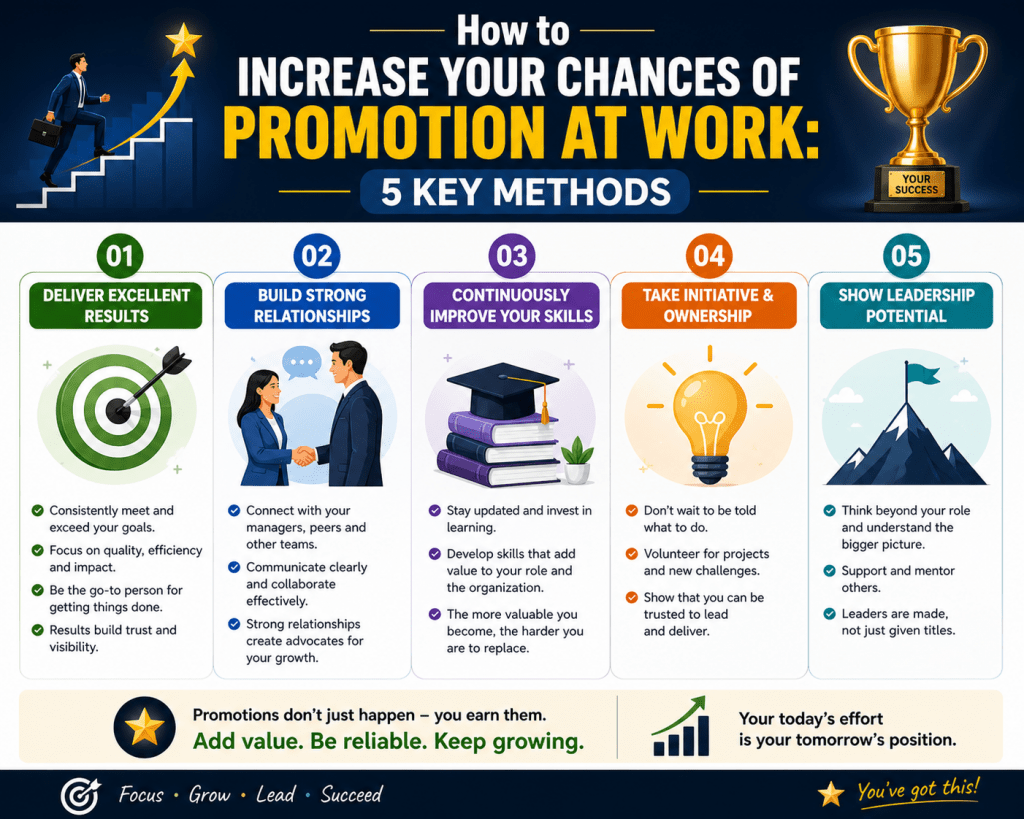
Skill development in a professional context is most effective when approached strategically rather than randomly. Strategic learning involves identifying the competencies most relevant to current and future roles within a chosen career path. Instead of focusing solely on immediate job requirements, professionals benefit from anticipating the direction in which their industry or organization is evolving. This forward-looking approach allows individuals to stay ahead of changing expectations and maintain relevance in competitive environments. Continuous upskilling ensures that knowledge does not become outdated, especially in fields where technological advancement and process innovation occur frequently. A structured learning approach may involve exploring new methodologies, understanding emerging tools, or strengthening foundational principles that support advanced responsibilities. The key is consistency rather than intensity, where regular engagement with learning activities produces long-term capability growth. Strategic learning also includes the ability to translate theoretical knowledge into practical application. This practical reinforcement is essential because workplace advancement is often based on demonstrated performance rather than conceptual understanding alone. Employees who can apply new knowledge effectively within real operational scenarios are more likely to be considered for expanded roles. Over time, continuous upskilling builds a professional profile that reflects adaptability, competence, and readiness for increased responsibility.
Expanding Technical and Transferable Skills
Career progression is influenced not only by specialized knowledge but also by the balance between technical expertise and transferable skills. Technical skills refer to role-specific capabilities that allow individuals to perform core job functions effectively. These skills are often the primary requirement for entry into a role and form the baseline for performance evaluation. However, advancement typically requires more than technical proficiency alone. Transferable skills such as communication, analytical thinking, problem-solving, and collaboration play a significant role in determining readiness for higher-level responsibilities. Professionals who combine strong technical ability with well-developed interpersonal and cognitive skills tend to stand out in competitive environments. This combination allows them to contribute not only through execution but also through decision-making and coordination across teams. Expanding both skill types requires intentional effort, as technical skills often evolve through practice and experience, while transferable skills develop through interaction, reflection, and exposure to diverse work situations. Employees who actively seek opportunities to participate in cross-functional tasks or collaborative projects naturally enhance their broader skill set. This diversification of abilities increases professional versatility, making individuals suitable for a wider range of roles and responsibilities. Over time, such versatility becomes a key factor in promotion decisions, as organizations tend to favor individuals who can adapt to multiple operational demands.
Creating a Long-Term Growth Framework
Sustained career advancement requires more than isolated efforts; it depends on the creation of a long-term growth framework that guides professional development. This framework involves setting a clear direction for skill acquisition, experience building, and role progression over an extended period. Rather than focusing only on immediate tasks, individuals benefit from mapping out the competencies and experiences required for future positions they aim to achieve. This structured approach helps ensure that daily work contributes meaningfully to long-term objectives. A growth framework also involves regular evaluation of progress, where professionals assess whether their current activities align with their intended career direction. Adjustments are made based on changing industry demands, organizational structures, or personal interests. Flexibility within this framework is essential, as rigid plans may not adapt well to evolving workplace realities. Another important aspect is the integration of feedback, which provides an external perspective on performance and readiness for advancement. Constructive feedback from supervisors, peers, or project outcomes can highlight areas that require refinement or further development. By incorporating these insights into ongoing learning efforts, individuals strengthen their ability to meet promotion criteria over time. A long-term growth framework ultimately serves as a guiding structure that connects learning, performance, and career objectives into a cohesive development path.
Integration of Growth Principles in Daily Work Execution
Professional advancement is reinforced when growth-oriented principles are consistently applied in daily work activities. Rather than treating learning and performance as separate efforts, successful individuals integrate development into routine responsibilities. This means approaching tasks with an analytical perspective, identifying opportunities for improvement, and actively seeking better methods of execution. Even routine assignments can become valuable learning experiences when approached with intentionality. Over time, this consistent application of improvement-focused thinking leads to measurable enhancement in productivity and quality of output. It also reinforces a professional reputation built on reliability and continuous development. Employers tend to recognize individuals who not only complete tasks effectively but also contribute to improving processes and outcomes. This integration of growth principles ensures that career advancement is supported by both performance and progression in capability.
Workplace Visibility and Performance Perception
Career progression is strongly influenced by how performance is perceived within an organization rather than by performance alone. Visibility refers to the extent to which contributions are recognized by decision-makers, including managers and leadership teams. Even high-quality work can go unnoticed if it is not communicated or demonstrated in contexts where it can be evaluated. In structured workplaces, recognition often depends on both outcomes and the clarity with which those outcomes are presented. Employees who consistently deliver results while maintaining visibility tend to be associated with reliability and impact. This does not imply self-promotion in an exaggerated form, but rather ensuring that work contributions are observable within professional workflows, reporting structures, and collaborative environments. Performance perception is also shaped by consistency over time. A single strong output may not significantly influence advancement decisions, but repeated demonstration of capability builds a cumulative professional reputation. Visibility also extends to participation in meetings, discussions, and collaborative problem-solving scenarios where contributions can influence direction and outcomes. Over time, individuals who maintain both strong performance and appropriate visibility become more likely candidates for advancement because their impact is clearly understood within the organizational context.
Delivering Consistent High Performance Under Varying Conditions
Consistency in performance is one of the most important indicators of readiness for promotion. Work environments often involve fluctuating workloads, shifting priorities, and unexpected challenges that require adaptability without loss of quality. High-performing individuals are distinguished not only by peak achievements but by their ability to maintain standards across varying conditions. Consistency demonstrates reliability, which is a key factor in organizational trust. When decision-makers consider candidates for advancement, they evaluate whether responsibilities at a higher level can be handled without a significant variation in output quality. Maintaining consistent performance involves disciplined work habits, effective time management, and the ability to prioritize tasks based on impact rather than urgency alone. It also requires emotional stability in high-pressure environments, where decision fatigue and workload intensity can affect productivity. Professionals who can sustain performance levels during demanding periods are often viewed as capable of handling expanded responsibilities. Over time, consistency builds a predictable performance pattern, which reduces uncertainty for leadership teams when evaluating promotion readiness.
Taking Ownership and Accountability in Professional Roles
Ownership in a professional context refers to the willingness to take responsibility for outcomes, both positive and negative, within assigned responsibilities. Accountability extends this concept by ensuring that individuals not only complete tasks but also stand behind the results and learn from them. Employees who demonstrate ownership tend to approach tasks with a solution-oriented mindset rather than a purely execution-focused approach. This shift in perspective is critical for career advancement because higher-level roles require decision-making under uncertainty and responsibility for broader outcomes. Accountability also involves acknowledging mistakes and addressing them constructively rather than avoiding responsibility. This behavior builds trust within teams and with leadership, as it signals maturity and reliability. Ownership further includes proactively identifying issues before they escalate and contributing to corrective actions without requiring direct instruction. In organizational environments, individuals who consistently demonstrate accountability are often entrusted with more complex responsibilities because they are perceived as dependable under pressure. Over time, this trust becomes a key factor in promotion decisions, as leadership roles require a strong foundation of responsibility and integrity.
Developing Leadership Presence Without Formal Authority
Leadership presence is not limited to individuals in managerial positions; it can be demonstrated at any level within an organization. It refers to the ability to influence, guide, and support others through behavior, communication, and decision-making. Developing leadership presence without formal authority involves contributing to team direction, offering constructive input, and supporting collective goals. Individuals who exhibit leadership traits often take initiative in resolving challenges, coordinating efforts, and helping others improve performance. This type of influence is built through credibility, which is earned by consistently demonstrating competence and reliability. Leadership presence also involves maintaining composure in complex situations and providing clarity when uncertainty arises. In collaborative environments, such individuals often become informal reference points for guidance and decision-making support. Over time, this behavior creates a perception of readiness for formal leadership roles. Organizations often look for these indicators when identifying candidates for promotion into supervisory or managerial positions. Leadership presence is therefore a gradual development process rooted in consistent behavior rather than positional authority.
Enhancing Communication Effectiveness Across Professional Settings
Effective communication plays a central role in career advancement because it directly impacts collaboration, decision-making, and execution quality. Communication in professional environments includes verbal, written, and non-verbal forms, each contributing to how information is understood and acted upon. Clear communication reduces ambiguity, improves efficiency, and minimizes errors in task execution. Professionals who communicate effectively are able to express ideas in a structured and understandable manner, making it easier for others to align with their perspective. Communication effectiveness also involves active listening, which ensures that input from others is accurately understood before responding or acting. In team environments, this skill supports better coordination and reduces conflict caused by misunderstandings. Additionally, the ability to adapt communication style based on the audience is important in organizational settings where interactions may involve technical teams, management, or cross-functional stakeholders. Individuals who can translate complex information into accessible language add significant value to collaborative processes. Over time, strong communication skills contribute to improved professional reputation and increased likelihood of being considered for advancement opportunities.
Strengthening Cross-Functional Collaboration Capabilities
Modern organizations operate through interconnected teams where collaboration across departments is essential for achieving broader objectives. Cross-functional collaboration involves working effectively with individuals from different roles, expertise areas, and operational priorities. This requires adaptability and openness to diverse working styles and perspectives. Professionals who excel in collaborative environments are able to align their contributions with shared goals rather than focusing solely on individual tasks. This alignment enhances overall efficiency and ensures that project outcomes are cohesive. Collaboration also requires negotiation and coordination skills, particularly when balancing competing priorities across teams. Individuals who can facilitate alignment between different functional areas often become key contributors to organizational success. Participation in cross-functional initiatives also provides exposure to broader business processes, which enhances overall professional understanding. This broader perspective is valuable for career advancement because it demonstrates readiness for roles that require system-level thinking rather than isolated task execution. Over time, strong collaboration skills position individuals as integrators within organizational structures, making them suitable candidates for expanded responsibilities.
Initiative and Problem-Solving in Dynamic Work Environments
Initiative is a defining characteristic of individuals who progress quickly in their careers. It refers to the ability to act without being explicitly instructed, particularly in situations that require attention or improvement. Initiative is closely linked to problem-solving, where individuals identify issues and develop practical approaches to address them. In dynamic work environments, challenges often arise unexpectedly, requiring quick analysis and effective response. Professionals who consistently demonstrate initiative are able to anticipate potential problems and take preventive action. This proactive behavior reduces operational risks and improves efficiency within teams. Problem-solving also involves analytical thinking, where situations are evaluated based on available information to determine the most effective course of action. Individuals who can break down complex challenges into manageable components are often more effective in resolving them. Over time, initiative and problem-solving ability become key indicators of leadership potential, as advanced roles require independent decision-making and responsibility for outcomes. Organizations tend to recognize individuals who consistently contribute solutions rather than merely identifying issues.
Aligning Individual Contributions With Organizational Direction
Career advancement is closely linked to how well individual efforts align with broader organizational objectives. Alignment means understanding the goals of the organization and ensuring that daily work contributes meaningfully to those goals. This requires awareness of strategic priorities and the ability to prioritize tasks accordingly. Professionals who align their contributions effectively are able to focus on high-impact activities rather than isolated or low-value tasks. This alignment increases overall effectiveness and ensures that individual performance supports collective success. It also demonstrates an understanding of business context, which is essential for higher-level roles that involve decision-making and planning. Individuals who consistently operate in alignment with organizational direction are often viewed as strategically aware and capable of handling expanded responsibilities. This perception is important in promotion considerations because advanced roles require not only technical execution but also alignment with organizational vision and objectives. Over time, this alignment strengthens professional positioning within the organization and supports long-term career progression.
Strategic Career Positioning Within Organizational Structure
Career advancement is often determined by how effectively an individual positions themselves within the internal structure of an organization. Strategic positioning refers to the ability to understand where value is created within the organization and align personal contributions with those critical points. Every organization has key operational, technical, and decision-making layers where impact is most visible. Professionals who recognize these areas and actively contribute within them are more likely to be considered for advancement. Strategic positioning is not about bypassing processes but about engaging in work that directly supports high-priority outcomes. This requires awareness of organizational goals, internal workflows, and the distribution of responsibilities across teams. Individuals who understand how their role connects to broader objectives can intentionally focus on activities that increase their relevance to leadership. Over time, this positioning creates a professional identity associated with impact rather than routine execution. It also increases exposure to decision-making environments where promotion decisions are often influenced. Strategic positioning, therefore,e becomes a subtle but powerful factor in long-term career growth.
Building Professional Trust Through Reliability and Consistency
Trust is a foundational element in promotion decisions, and it is built through consistent reliability over time. In professional environments, reliability refers to the ability to complete tasks accurately, meet deadlines, and maintain quality standards without requiring constant oversight. When employees consistently demonstrate reliability, they reduce operational uncertainty for their teams and supervisors. This creates a perception of dependability, which is highly valued in roles with increased responsibility. Trust is not established through isolated achievements but through repeated patterns of behavior that demonstrate stability and predictability. Consistency in communication, execution, and follow-through further strengthens this trust. Leaders are more likely to promote individuals whose performance does not fluctuate unpredictably under varying conditions. Reliability also includes the ability to manage workload effectively and deliver outcomes even during high-pressure situations. Over time, this creates a professional reputation that supports advancement because decision-makers are more confident in assigning higher-level responsibilities to individuals who have proven dependability.
Expanding Responsibility Gradually Through Role Stretching
Role stretching refers to the process of gradually taking on responsibilities beyond the formal scope of a current position. This approach allows professionals to demonstrate readiness for advancement without waiting for formal promotion. By voluntarily engaging in tasks that align with higher-level roles, individuals can build experience and credibility in those areas. This may include participating in complex projects, supporting leadership tasks, or managing additional operational responsibilities. Role stretching is effective because it provides practical exposure to challenges associated with advanced positions. It also allows individuals to demonstrate capability in real work scenarios rather than theoretical assessments. Over time, this creates a portfolio of experience that supports promotion decisions. Organizations often recognize individuals who naturally extend their responsibilities, as this behavior reflects initiative and growth orientation. Role stretching should be balanced to avoid overload, ensuring that performance quality remains consistent. When executed effectively, it becomes a powerful mechanism for demonstrating readiness for increased responsibility.
Developing Decision-Making Competence for Higher-Level Roles
Decision-making competence is a critical factor in career progression because advanced roles often involve responsibility for outcomes that affect teams or entire departments. Effective decision-making involves analyzing available information, evaluating potential outcomes, and selecting the most appropriate course of action. This process requires both analytical thinking and practical judgment. Professionals who develop strong decision-making skills are able to operate with greater independence and confidence. In many organizations, promotion decisions are influenced by observed decision-making ability under real conditions. This includes how individuals respond to uncertainty, time constraints, and conflicting priorities. Decision-making competence also involves understanding the consequences of actions and being accountable for results. Over time, individuals who consistently make sound decisions are trusted with more complex responsibilities. This trust is essential for advancement into leadership or specialized roles that require autonomy. Developing this competence requires experience, reflection, and learning from past outcomes to improve future decisions.
Enhancing Adaptability in Evolving Work Environments
Adaptability has become a core requirement for career progression in modern workplaces where change is constant. This includes changes in technology, processes, organizational structure, and market conditions. Adaptable professionals are able to adjust their approach without significant loss of performance. This flexibility allows them to remain effective even when conditions shift unexpectedly. Adaptability also involves openness to learning new methods and unlearning outdated practices. Individuals who resist change often experience slower career progression because their skills become less relevant over time. In contrast, adaptable individuals are able to transition between roles, tools, and responsibilities more easily. This versatility makes them valuable assets in dynamic environments. Adaptability is also linked to resilience, which is the ability to maintain performance under uncertainty or pressure. Over time, professionals who demonstrate adaptability are more likely to be considered for promotion because they can handle evolving responsibilities without disruption.
Strengthening Professional Reputation Through Ethical Conduct
Ethical behavior plays a significant role in career advancement because organizations prioritize trust and integrity in leadership positions. Ethical conduct includes honesty, transparency, fairness, and accountability in all professional interactions. A strong ethical reputation enhances credibility and builds long-term trust within teams and leadership structures. Individuals who consistently demonstrate ethical behavior are seen as reliable custodians of responsibility. This is particularly important in roles that involve decision-making, resource management, or sensitive information. Ethical conduct also contributes to a positive workplace environment by promoting fairness and respect among colleagues. Over time, professionals with strong ethical reputations are more likely to be entrusted with higher responsibilities because they reduce organizational risk. Integrity becomes a differentiating factor when evaluating candidates for promotion, especially in environments where trust is essential for operational success. Maintaining ethical standards consistently ensures that career progression is supported by a stable and respected professional identity.
Leveraging Feedback for Continuous Performance Improvement
Feedback is a critical tool for professional development and career advancement when used effectively. It provides external insight into performance, highlighting strengths and areas that require improvement. Constructive feedback allows individuals to adjust their approach and improve outcomes over time. Professionals who actively seek feedback demonstrate openness to growth and willingness to improve. This behavior is often viewed positively in promotion evaluations because it reflects a development-oriented mindset. Feedback should be analyzed carefully and applied in practical ways to improve performance. Ignoring feedback can lead to repeated mistakes and stagnation in career growth. In contrast, individuals who integrate feedback into their work process tend to show continuous improvement. Over time, this leads to enhanced performance consistency and increased readiness for advanced responsibilities. Feedback also strengthens communication between employees and leadership, creating clearer expectations and alignment. This alignment is essential for identifying promotion readiness.
Building Influence Through Professional Relationships
Professional relationships play a significant role in career progression because they influence collaboration, visibility, and support within an organization. Influence in this context refers to the ability to positively impact decisions, teamwork, and outcomes through trust and credibility. Strong professional relationships are built through consistent interaction, reliability, and mutual respect. Individuals who maintain effective relationships across teams are often better positioned for advancement because they are well-integrated into organizational networks. These relationships also provide access to information, opportunities, and collaborative initiatives that support career growth. Influence is not based on authority alone but on the ability to contribute meaningfully to shared objectives. Over time, individuals who build strong professional relationships become recognized as valuable contributors within the organization. This recognition often plays a role in promotion decisions because leadership positions require effective interaction across multiple teams and stakeholders.
Sustaining Long-Term Career Momentum Through Continuous Improvement
Long-term career progression depends on maintaining momentum through continuous improvement across all areas of professional performance. This includes skill development, performance consistency, adaptability, and relationship building. Continuous improvement ensures that individuals do not become stagnant in their roles but instead evolve alongside organizational and industry changes. Sustaining momentum requires regular self-assessment and adjustment of goals based on changing circumstances. Professionals who maintain this approach are able to remain relevant and competitive over extended periods. Continuous improvement also reinforces a growth-oriented identity, which is highly valued in promotion decisions. Over time, individuals who consistently refine their capabilities and expand their contributions create a strong foundation for sustained career advancement across multiple roles and levels within an organization.
In addition, continuous improvement is closely tied to the ability to integrate feedback effectively into daily work practices. Constructive feedback provides insight into blind spots and performance gaps that may not be visible through self-assessment alone. Professionals who actively incorporate feedback into their workflow demonstrate openness to growth and a commitment to excellence. Over time, this leads to measurable improvements in performance quality, decision-making accuracy, and overall professional effectiveness. Feedback-driven improvement also strengthens communication with supervisors and peers, reinforcing trust and alignment within teams.
Conclusion
Career advancement is not the result of a single action, nor is it achieved through isolated moments of strong performance. It is a cumulative outcome shaped by consistent effort, intentional development, and the ability to align personal growth with organizational needs. Across professional environments, promotions are typically awarded to individuals who demonstrate sustained capability, adaptability, and a readiness to take on greater responsibility. While job titles and structures may differ across industries, the underlying principles of progression remain largely consistent: value creation, reliability, and continuous improvement.
One of the most important realities in professional growth is that responsibility increases before recognition does. In many cases, individuals begin performing at a higher level informally before receiving formal acknowledgment through promotion. This makes proactive development essential. Those who wait passively for advancement often remain static, while those who actively seek opportunities to expand their skills and responsibilities gradually position themselves closer to promotion readiness. Career growth is therefore closely tied to initiative, where individuals take ownership of their development path rather than relying solely on organizational direction.
Skill development remains a central pillar of long-term career success. However, it is not enough to simply acquire new knowledge; the application of that knowledge within real work environments is what creates measurable value. Professionals who continuously refine both technical and transferable skills become more versatile and capable of handling complex tasks. This versatility is often what distinguishes individuals who remain in their current roles from those who move into advanced positions. The ability to combine technical proficiency with communication, problem-solving, and collaboration skills significantly increases professional impact.
Equally important is the ability to maintain consistency in performance. Organizations value predictability in outcomes because it reduces risk and increases operational efficiency. Consistent performers are often seen as dependable contributors who can be trusted with critical responsibilities. This reliability builds a foundation of trust over time, which plays a major role in promotion decisions. While occasional high performance may attract attention, it is sustained performance across varying conditions that builds long-term credibility. Professionals who maintain quality even under pressure demonstrate readiness for roles with greater accountability.
Visibility within the workplace also plays a subtle but significant role in career advancement. Work that is not observed or recognized by decision-makers often has limited influence on promotion outcomes, regardless of its quality. Visibility is not about self-promotion excessively or artificially, but about ensuring that contributions are appropriately integrated into team discussions, project outcomes, and organizational reporting structures. When work is visible in relevant contexts, it becomes easier for leadership to assess impact and potential. Over time, this visibility contributes to stronger professional positioning within the organization.
Another critical factor in advancement is accountability. Individuals who take responsibility for both successes and failures demonstrate maturity and professional integrity. Accountability reflects the ability to own outcomes and learn from experience, which is essential for higher-level roles. Leadership positions, in particular, require individuals who can make decisions, accept consequences, and adjust strategies when needed. Professionals who consistently exhibit accountability are more likely to be entrusted with complex responsibilities because they reduce uncertainty for organizations.
Adaptability further strengthens career progression in environments that are constantly evolving. Industries today are shaped by rapid technological, procedural, and structural changes. Professionals who can adjust quickly without significant loss of performance are more likely to remain relevant over time. Adaptability is closely linked to continuous learning, as individuals must be willing to update their knowledge and unlearn outdated methods. Those who resist change often experience slower career growth, while those who embrace it tend to move forward more effectively.
Leadership capability is another important dimension of career development, even for individuals who are not in formal leadership roles. Leadership is demonstrated through behavior rather than title. It includes the ability to guide others, contribute to decision-making, and support team objectives. Professionals who exhibit leadership qualities such as initiative, clarity in communication, and composure under pressure are often viewed as potential candidates for advancement into managerial or senior positions. Leadership presence is built gradually through consistent actions that influence others positively within the workplace.
Communication effectiveness also plays a central role in professional growth. Clear and structured communication improves collaboration, reduces misunderstandings, and enhances efficiency. The ability to express ideas in a way that is understood by different audiences is particularly valuable in diverse organizational environments. Strong communicators are able to bridge gaps between technical and non-technical stakeholders, ensuring alignment across teams. Over time, effective communication contributes to stronger relationships and increased influence within the organization.
Professional relationships themselves are another key element of advancement. Career growth does not occur in isolation; it is influenced by interactions, collaboration, and trust built with others. Individuals who develop strong working relationships across teams are often better positioned for opportunities because they are more integrated into organizational networks. These relationships provide access to information, support, and collaborative initiatives that can contribute to career progression. Influence within an organization is often built through these consistent and meaningful interactions.
Feedback is an additional component that supports long-term development. Constructive feedback provides an external perspective on performance and highlights areas for improvement. Professionals who actively seek and apply feedback demonstrate a willingness to grow and adapt. This openness is often viewed positively in promotion considerations because it reflects a development-oriented mindset. Over time, feedback helps refine skills, improve performance, and strengthen readiness for advancement.
Ethical behavior remains a foundational requirement for career progression. Integrity, transparency, and fairness are essential qualities in any professional environment. Organizations place significant trust in individuals who demonstrate ethical conduct because it reduces risk and strengthens organizational culture. Ethical professionals are more likely to be entrusted with higher responsibilities because they maintain credibility and reliability in their actions. This trust becomes a long-term asset in career development.
Ultimately, career advancement is the result of sustained alignment between personal growth and organizational expectations. It requires continuous effort across multiple dimensions, including skill development, performance consistency, adaptability, communication, accountability, and relationship building. There is no single pathway to promotion, but rather a combination of behaviors and capabilities that accumulate over time. Individuals who remain committed to improvement and actively engage in their professional development create stronger opportunities for advancement.
Progress in a career is not defined solely by reaching a higher title but by the continuous evolution of capability and responsibility. Those who focus on becoming more effective, reliable, and adaptable professionals naturally position themselves for advancement opportunities as they arise. Over time, this steady progression builds a career trajectory defined not by chance, but by deliberate and consistent effort.